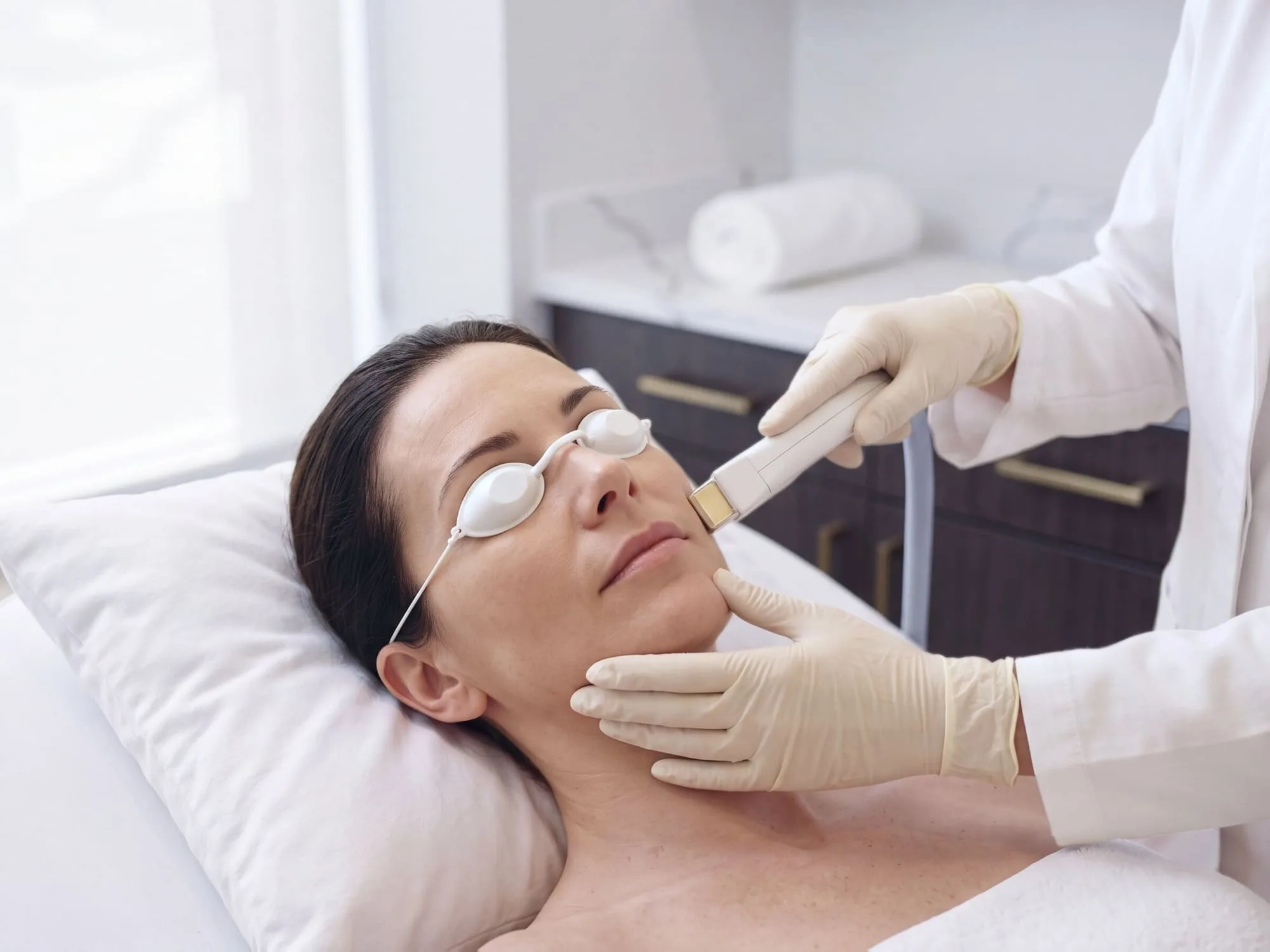
Fotona 4D Facelift Without Surgery in Southlake, TX
Four laser passes in a single visit prompt your skin to rebuild collagen along the jaw and mid-face. One of them works from inside the mouth.
- Google 4.8★
- Yelp 5.0★
A lift built from your own collagen
Fotona 4D runs on the Fotona SP Dynamis. One pass works from inside the mouth to reach the collagen behind the folds, and the others firm and renew from the outside. There is no incision, and the lift builds over the following weeks as your skin lays down new collagen.
What Fotona 4D does in a single visit
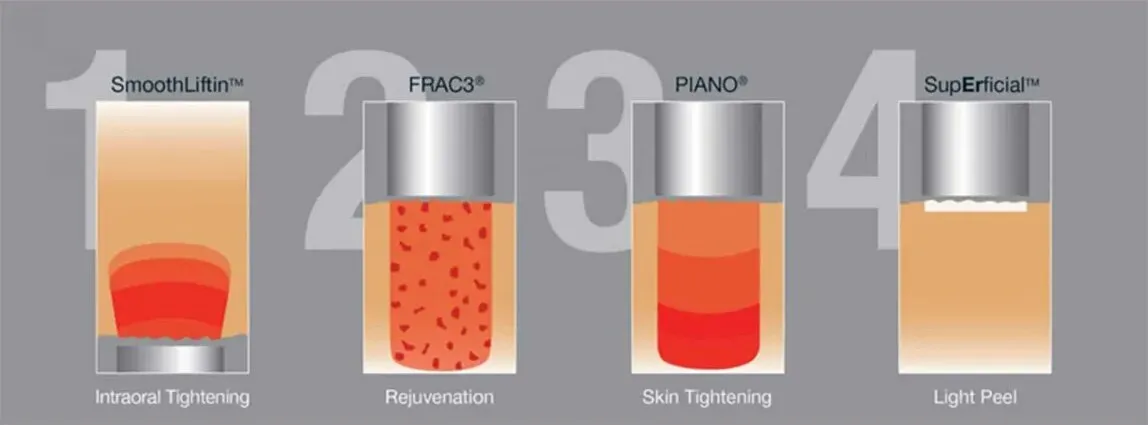
The four passes in the order they run
A session runs 60 to 90 minutes depending on the concerns being treated, and all four passes happen inside it. Some improvement shows straight after a session. The full effect usually takes three to four sessions spaced 3 to 4 weeks apart.
Behind the folds, from inside the mouth
The first pass works from inside the cheek, warming the tissue behind the smile lines and the lines around the mouth. Firming starts from the inside, where a laser worked across the skin cannot reach.
Into the deeper layers
The second pass reaches wrinkles and pigment that sit below the surface. It heats them precisely and leaves the outer skin intact.
Warming the tissue that holds the shape
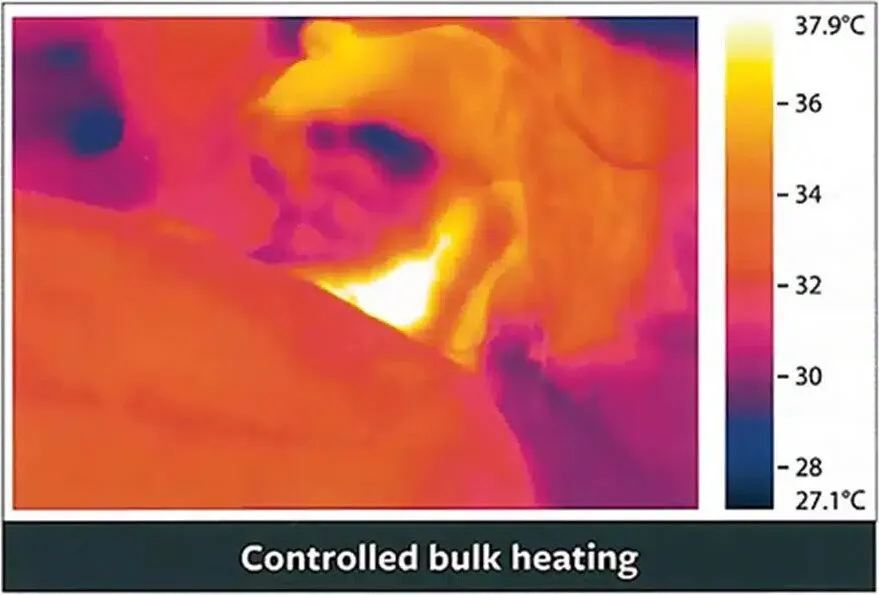
The third pass carries longer, gentler pulses deep into the tissue. That heat is what prompts your skin to rebuild collagen and tighten.
Renewing the surface
The last pass gently lifts away the outermost layer of skin. Texture smooths and tone evens as the new surface comes through.
What non-surgical skin tightening changes under the skin
The visit is 60 to 90 minutes, but the change it starts runs for weeks afterward. Warmth carried into the deeper layers is what sets the following four things going, and they are the reason a lift shows up gradually rather than on the day.
-
Collagen firmed through its full thickness
The passes reach the surface, the middle and the deeper layers within one visit, so the tissue firms through its whole depth rather than only at the top.
-
Old skin cells cleared, new ones encouraged
The treatment speeds up how fast your skin renews itself, helping your body shed dead and damaged cells and grow healthy new ones in their place.
-
The tissue underneath relaxes
Warming the layer below the skin lets it settle and relax, which is part of why tone and texture read smoother afterward.
-
Volume rebuilt without injectables
Firmness returns to the cheeks and jowls and the jawline reads more defined, using your own collagen rather than filler placed on top of it.
What a Fotona 4D facelift addresses
Because the four passes work at four depths, one visit reaches concerns that would otherwise need separate treatments. Dr. Mikki works out which of these are driving how your face reads before setting a plan.
Lift, firmness and volume
What the two deeper passes are aimed at: the tissue under the skin, and the collagen behind the folds.
-
Nasolabial folds
The smile lines, worked from inside the mouth as well as from the skin side.
-
Wrinkles around the mouth
The lines the pass worked from inside the cheek is aimed at.
-
Firmer, smoother skin
Collagen rebuilt through the deeper layers, so the firmness is your own tissue.
-
Skin elasticity and volume
Elasticity and facial volume both improve as collagen rebuilds.
Surface, tone and texture
What the two surface passes address, inside the same visit.
-
Skin tone and texture
Improved across the treated area as the outer layer is gently renewed.
-
Deeper wrinkles and pigmentation
Reached below the surface, with the outer skin left intact.
-
Bumps and acne scars
Bumps and acne scarring soften as the surface renews.
-
Signs of aging
The cumulative aim of all four passes taken together.
What a laser lift changes about the mid-face
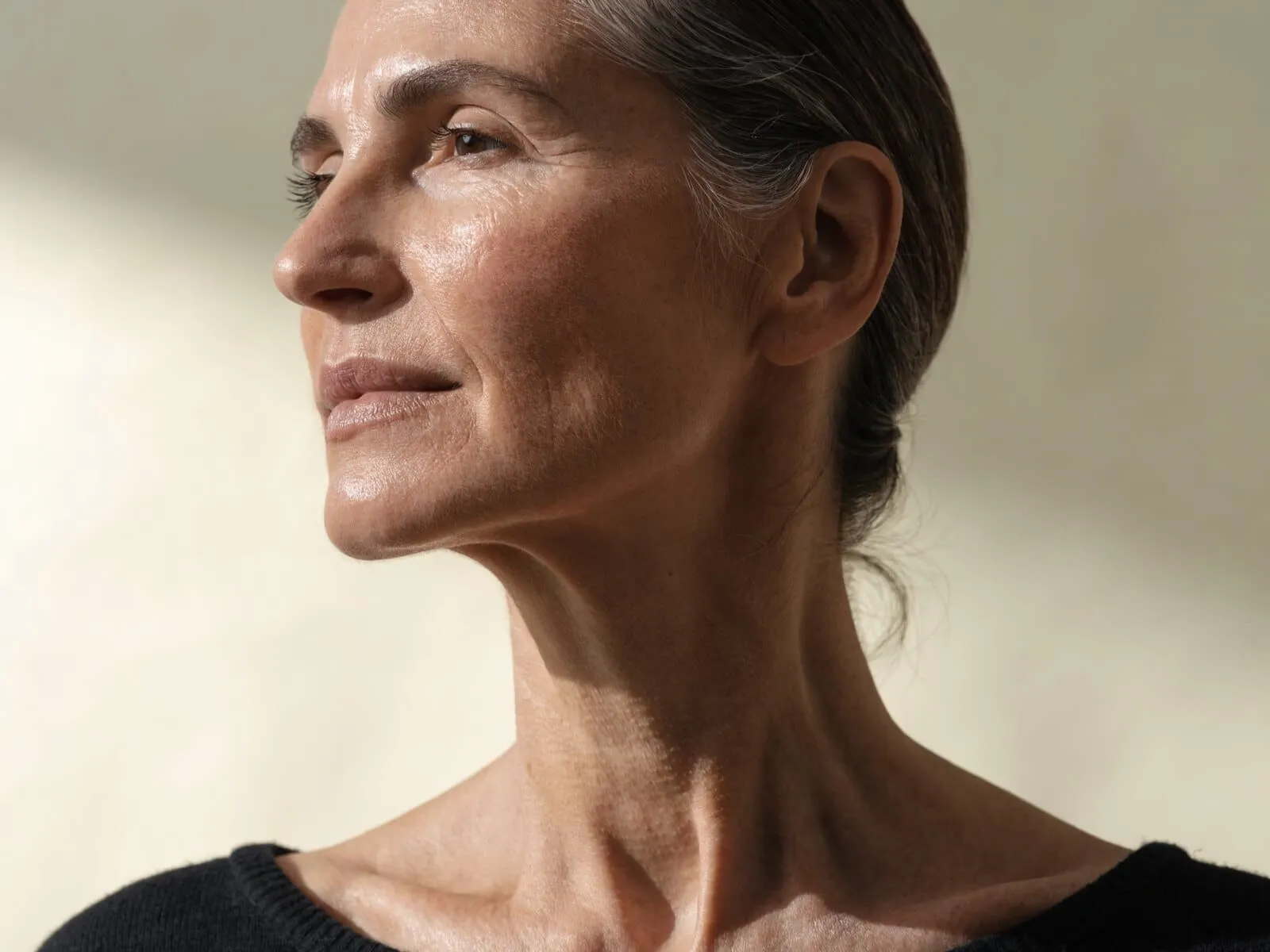
Fotona 4D rebuilds collagen in the mid-face instead of adding filler on top of it. It is one of the Fotona Lasers Dr. Mikki uses for lift. When surface texture is the concern, she recommends Laser Skin Resurfacing instead.
| Feature | Fotona 4D (Medrein) | Surgical Facelift | Dermal Filler for Lift |
|---|---|---|---|
| No incisions or general anesthesia | Included | Not included | Included |
| Reaches collagen from inside the mouth | Included | Varies | Not included |
| Lifts by building collagen in your own tissue | Included | Varies | Not included |
| Recovery measured in days | Included | Not included | Varies |
Fotona 4D and Moxi are not the same laser
Both are laser rejuvenation and Medrein runs both, so the question is which one your skin needs. The short answer is depth. If pigmentation and fine lines are your concern, Dr. Mikki points you to Moxi instead.
| Axis of comparison | Fotona 4D | Moxi by Sciton |
|---|---|---|
| How it works | Fotona 4D:Four passes across several layers of skin in one visit | Moxi:A gentle laser that renews the surface |
| Depth treated | Fotona 4D:Surface, middle and deeper layers in one visit | Moxi:The surface layer only |
| Unique step | Fotona 4D:One pass worked from inside the mouth | Moxi:Every pass is worked from the skin side |
| What it targets | Fotona 4D:Laxity, lost volume, wrinkles and deep skin tightening | Moxi:Pigmentation, sun damage and fine lines |
| Better suited to | Fotona 4D:Intense rejuvenation and deep skin tightening | Moxi:Mild skin resurfacing and pigmentation correction |
Safety and what to expect afterward
Why Fotona 4D is considered safe
- The treatment uses a laser handpiece. There is no incision and no injection.
- No anesthesia and no operating room are needed, so there is nothing to plan around.
- The session is quick and can be run at any time of year.
- Most patients find it well tolerated, and numbing cream is available where skin is sensitive.
- Dr. Mikki, a board-certified physician, runs all four passes herself.
Possible side effects
- Slight irritation, swelling and redness are common afterward and settle within a few days.
- Mild to moderate peeling happens as the skin renews.
- Some improvement shows right after a session, though the full effect takes three to four of them.
- Patients with sensitive skin may feel a burning or pinching sensation during a pass.
- Results last roughly 6 to 9 months, so follow-up treatments hold them.
The first 24 hours
- Do not scratch, touch or rub the treated skin.
- Stay out of the sun while the skin is settling.
- Leave makeup off for 24 hours. Applying it sooner can irritate the skin.
Who a Fotona 4D facelift is for
Dr. Mikki confirms candidacy against your skin and your medical history. She will tell you when a different rung fits better: EndoTight when laxity is greater than a surface treatment can reach, or Laser Skin Resurfacing when texture is the real concern.
A good fit
- You are 18 or older and can see signs of aging in your face. Most patients start in their 30s.
- Discoloration and uneven tone sit alongside the laxity.
- You would rather rebuild lost facial volume than fill it.
- You want a lift without injections, incisions or anesthesia.
- Three to four sessions spaced 3 to 4 weeks apart fit your schedule.
Not the right treatment
- Your laxity is advanced, and a surgical facelift remains the honest answer.
- You want one visit and a finished result, when the full effect takes a short series.
- Surface texture is your only concern, and full-face resurfacing addresses that more directly.
- You expect the result to hold indefinitely, when collagen loss continues with age.
Before you book, three things worth knowing
Results last around 6 to 9 months, because collagen loss continues as a natural part of aging. Follow-up treatments maintain what you have gained. The full effect takes three to four sessions spaced 3 to 4 weeks apart. Individual results vary, so ask for a written plan and a quote at your consultation.
Dr. Mikki examines your skin and explains which passes she would run and why. If a different treatment fits you better, she will let you know.
Before and after
Each pair holds one concern before treatment beside the same view after a course of Fotona laser passes. Twenty cases, and individual results vary.
Scroll the row sideways for the rest.
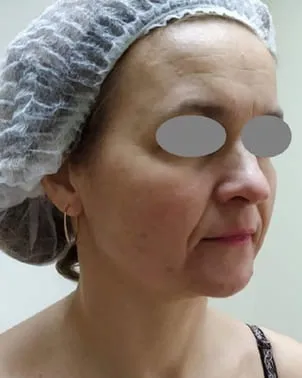
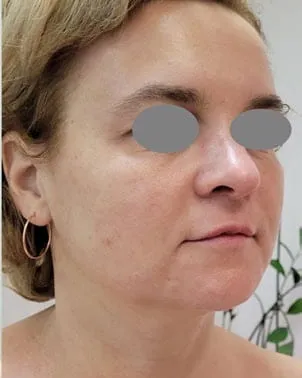
A slack lower cheek, with a line running from the corner of the mouth toward the jaw.
A jaw line that has lost its edge is firmed by the deep, warming pass.
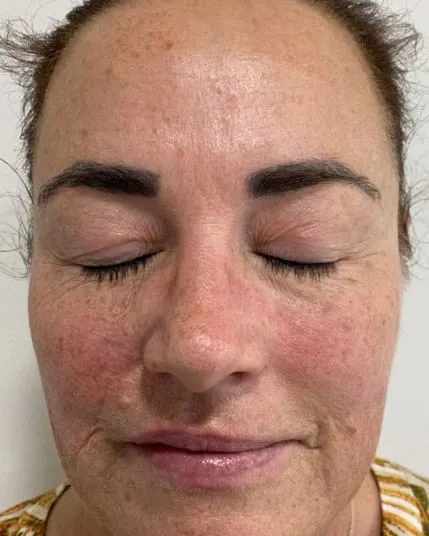
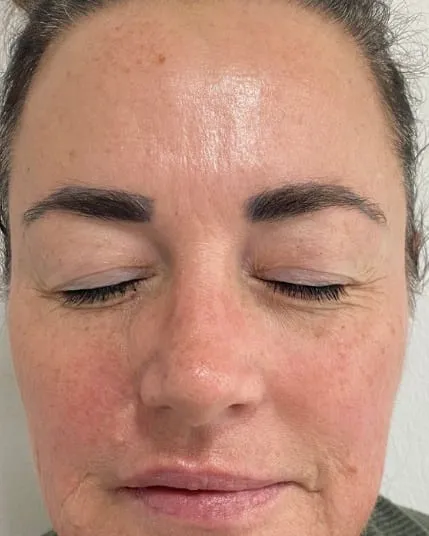
Redness and coarse texture across the cheeks and the nose.
Coarse texture and high colour both settle when the outer layer is renewed.
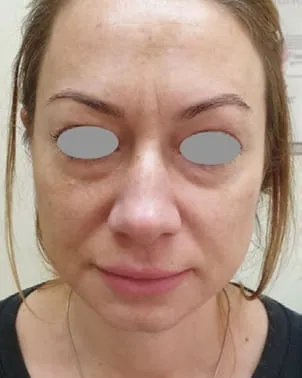
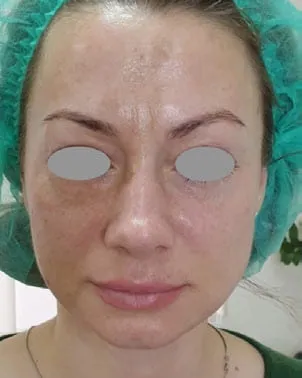
Puffiness and shadowing under the eyes, over tone that reads dull.
Warming the layer beneath the skin lets it settle, and shadowing lifts with it.
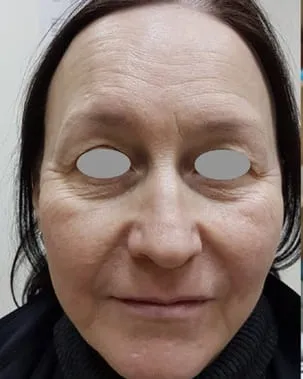
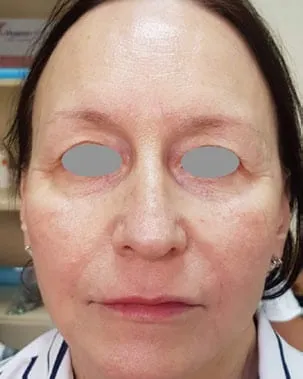
Deep nasolabial folds, with lines set in around the mouth.
The collagen a smile line sits on is reached from inside the cheek.
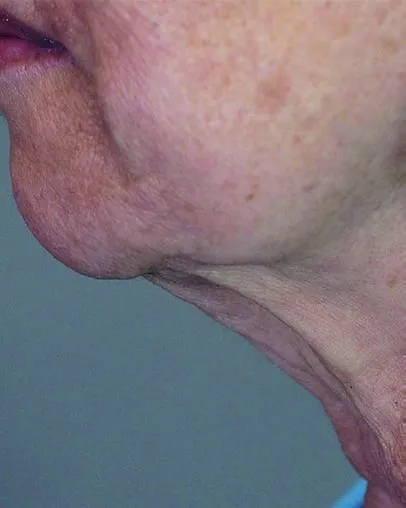
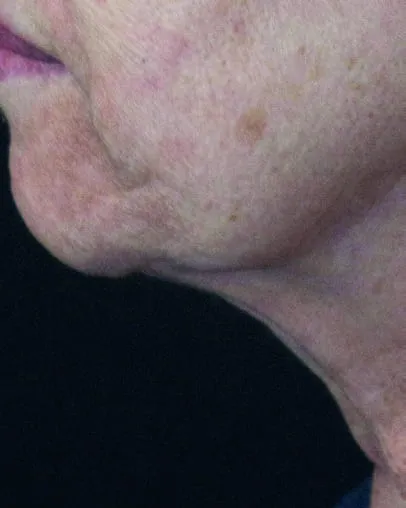
Slack skin under the chin, crepey where it meets the neck.
Slack skin under the chin draws tighter as deep heat rebuilds collagen.
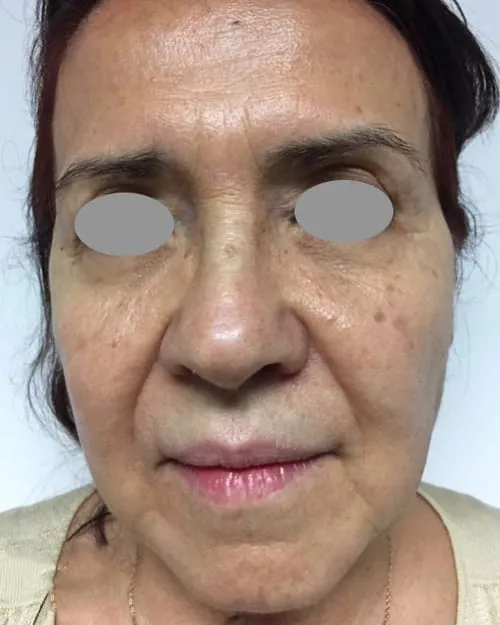
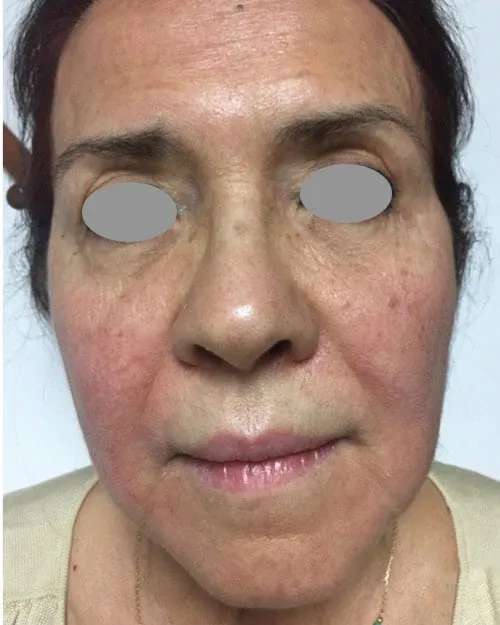
Darker patches across both cheeks, sitting alongside nasolabial folds.
Pigment is treated below the surface in the same visit the fold is worked.
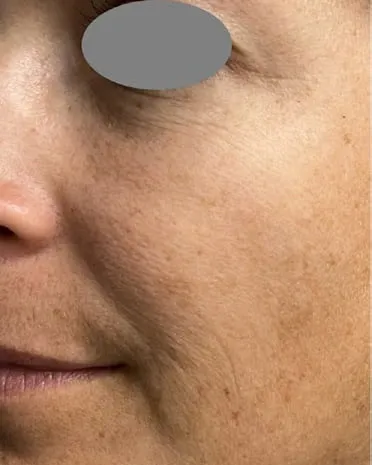
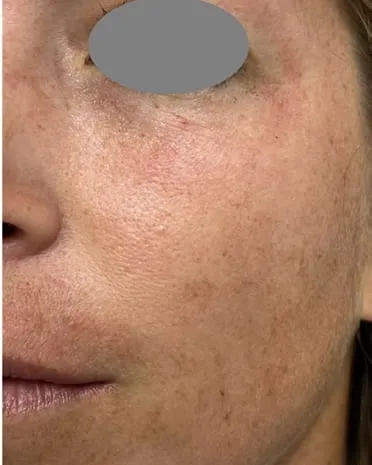
Mottled pigment across the cheek, over texture that reads coarse.
Patchy colour under the skin is heated precisely, the surface left whole.
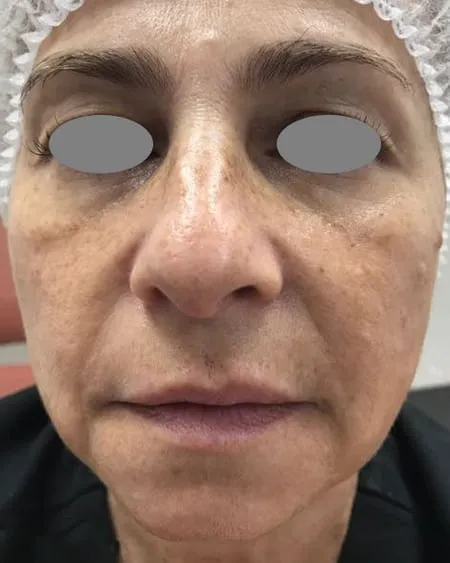
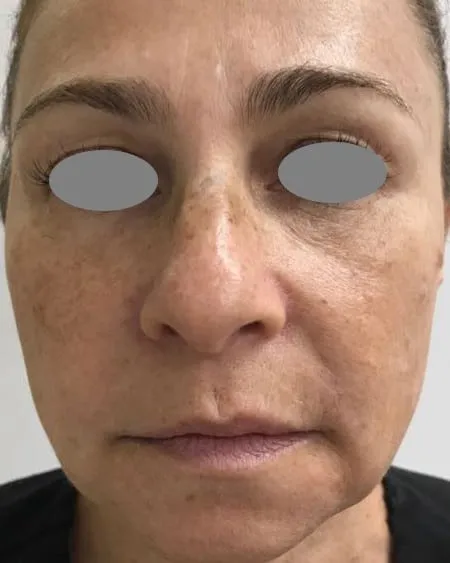
Nasolabial folds with hollowing under the eyes, and a lower cheek gone slack.
Lost cheek volume is rebuilt from your own collagen rather than filled.
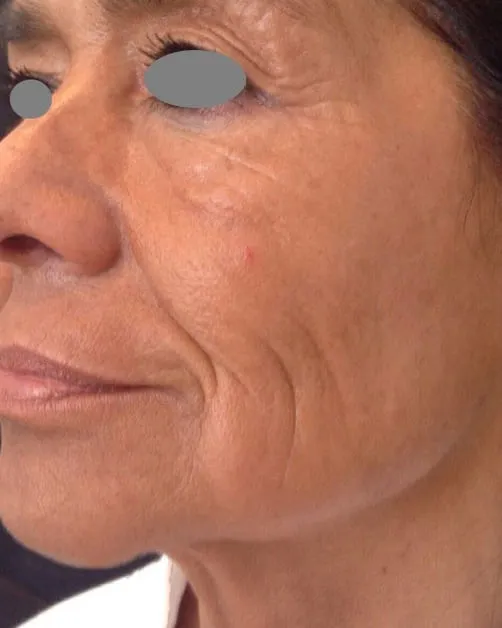
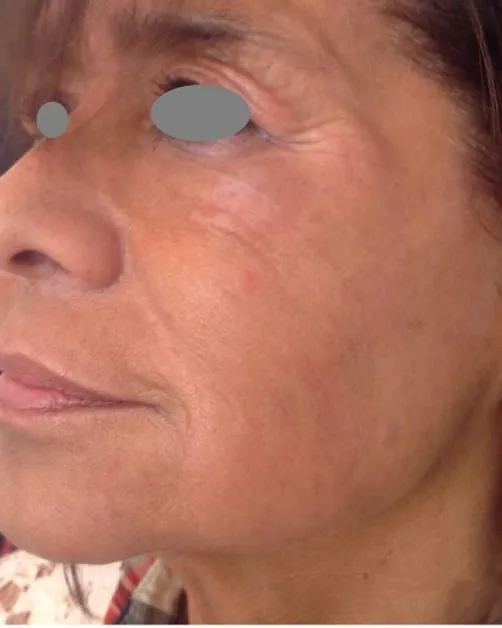
A deep nasolabial fold, with fine lines fanning out across the cheek.
A set fold softens as new collagen forms in the tissue beneath it.
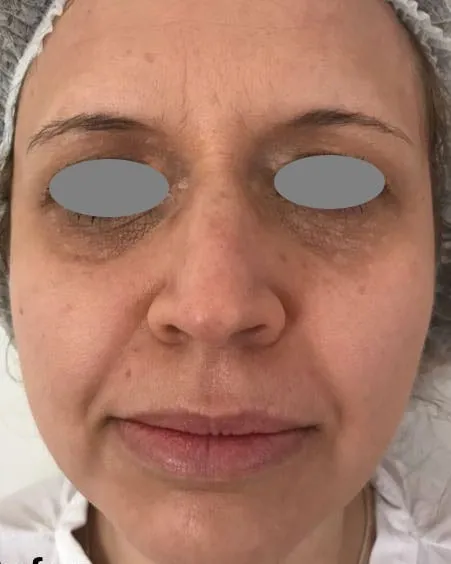
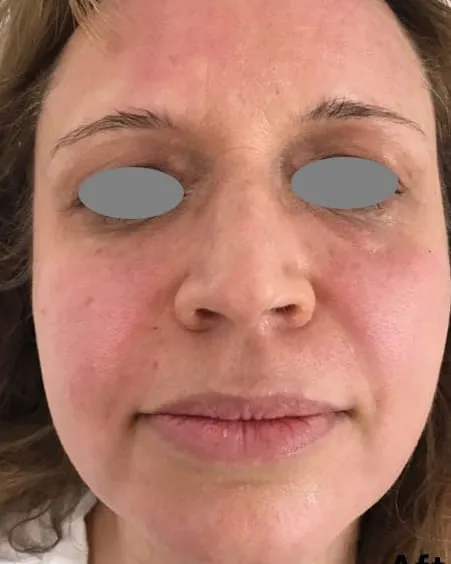
Sallow, uneven tone, with shadowing under the eyes.
Dulled skin brightens as turnover speeds up and fresher cells arrive.
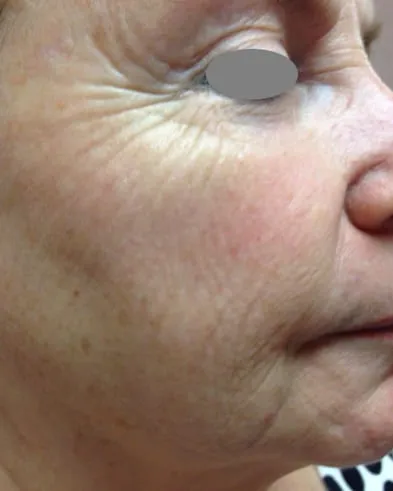
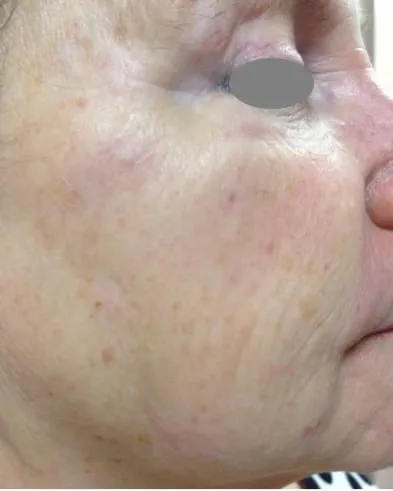
Crosshatched crepey lines across the cheek, with pigment spots scattered through them.
Crosshatched lines are worked at the surface and in the layers under it.
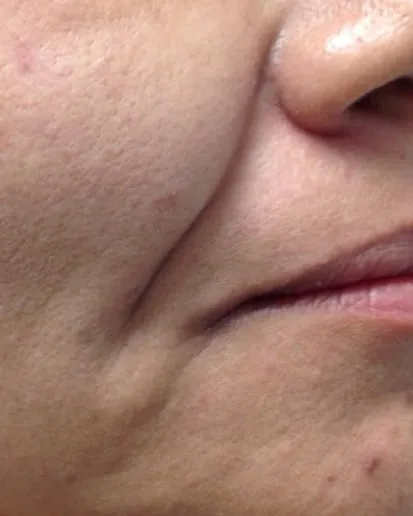
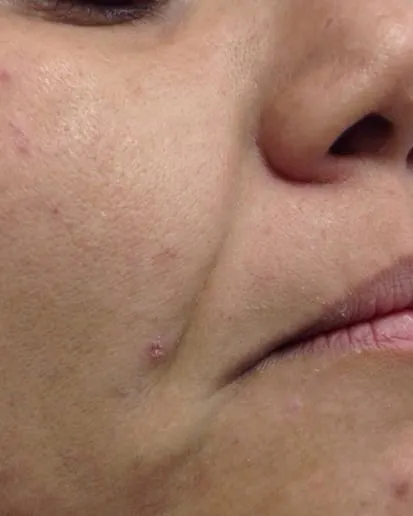
A line running down from the corner of the mouth, with slackness along the jaw.
The pass that starts inside the cheek is the one aimed at this line.
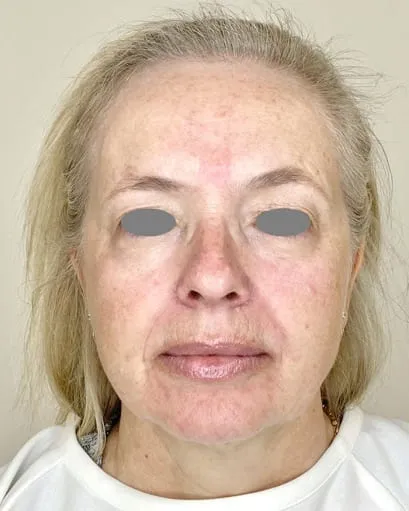
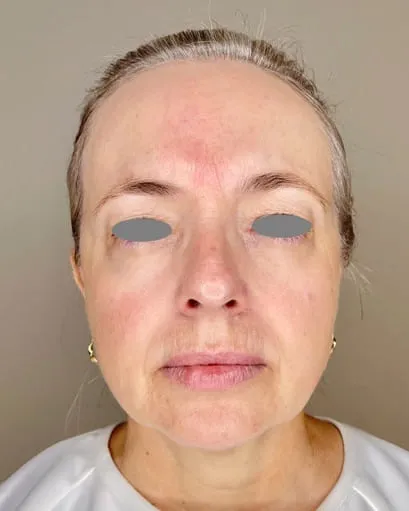
Nasolabial folds over a softening jaw line, and tone that has gone flat.
One visit takes on the fold, the slackness and the dulled surface together.
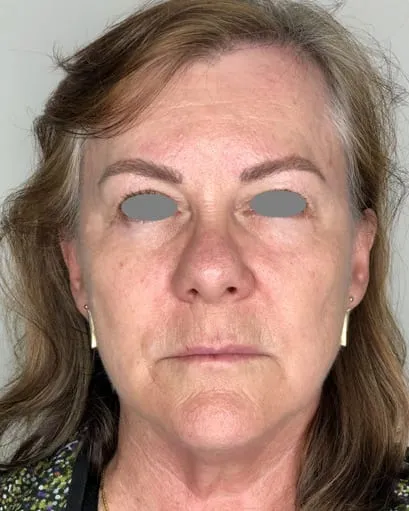
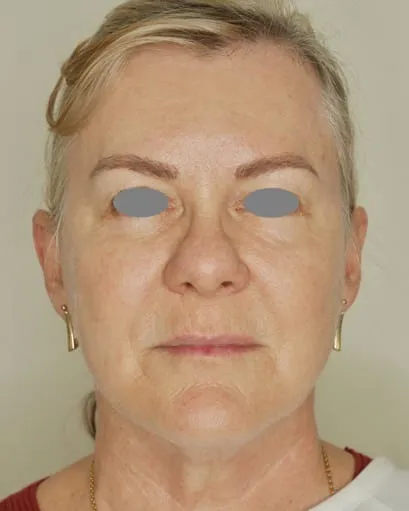
Reddened, uneven tone, with nasolabial folds and a jaw line gone slack.
The surface pass evens colour while the deeper passes firm the tissue.
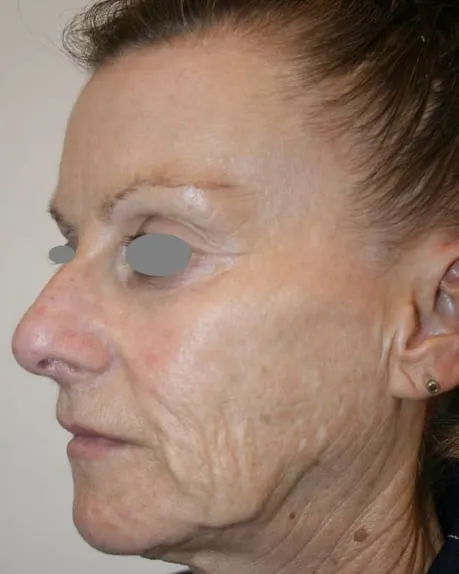
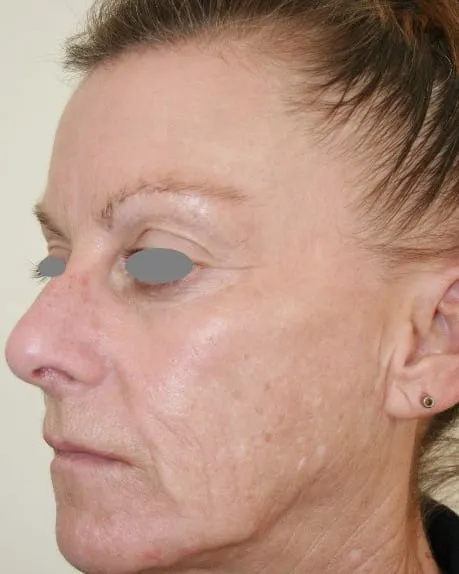
Deep lines across the cheek, carrying on into the skin in front of the ear.
Loose texture ahead of the ear answers to the longest, deepest pulses.
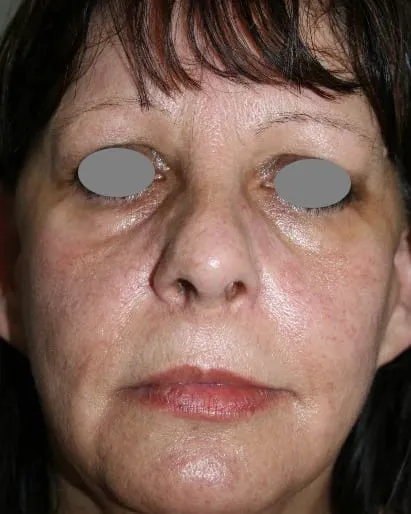
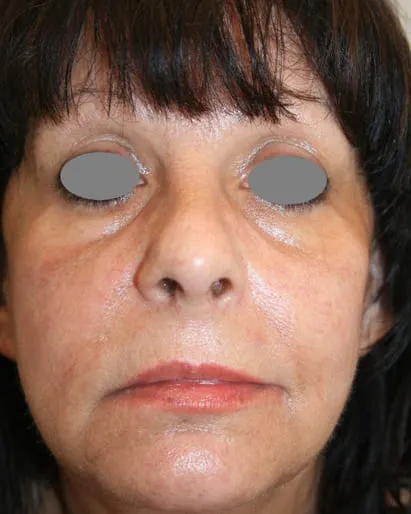
Sallow tone, with nasolabial folds and a lower cheek that has lost its hold.
Sallow tone answers to the surface pass, slackness to the deep one.
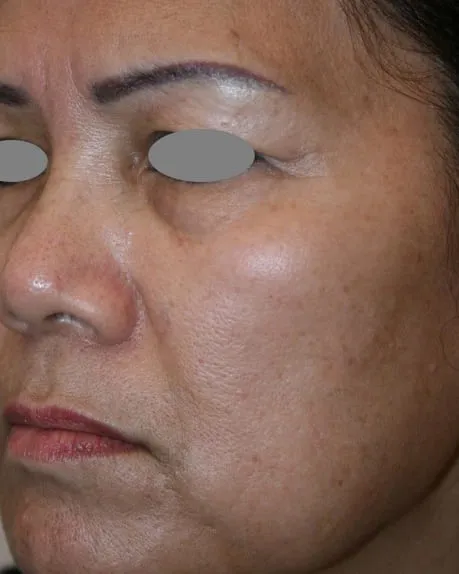
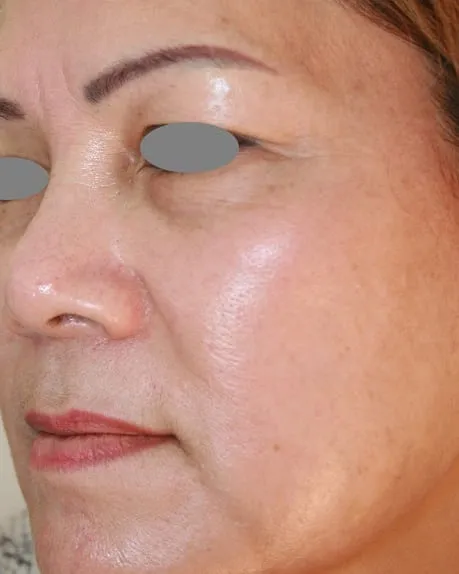
Mottled brown pigment massed across the cheek, over dull tone.
Brown patches are reached below the skin without breaking the surface above.
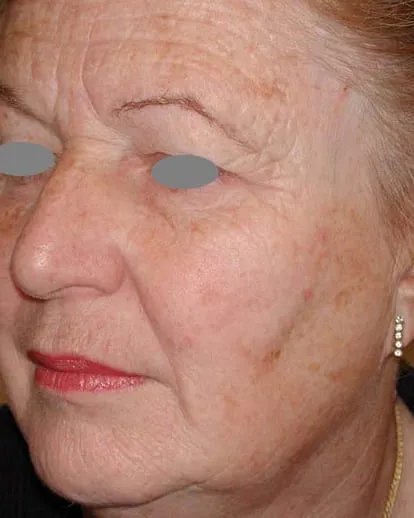
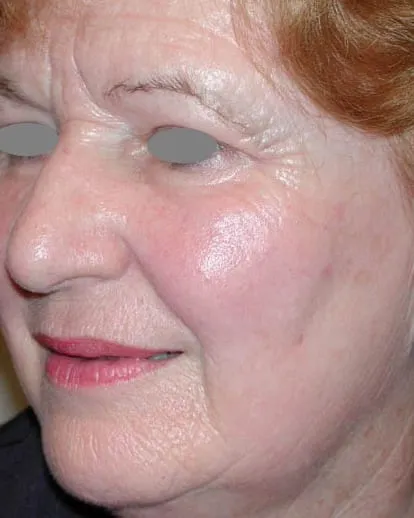
Deep crepey lines across the cheek and gathered around the mouth.
Creping smooths as the outermost layer lifts and new skin comes through.
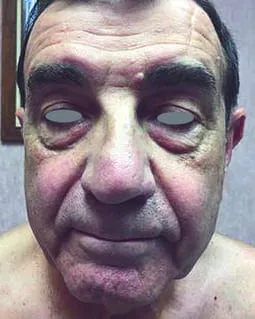
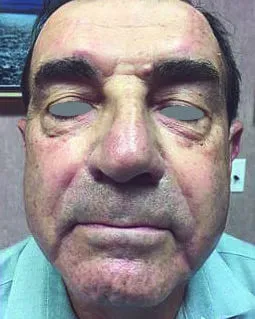
Ruddy, mottled colour across the face, over coarse texture.
Rough texture and uneven colour are treated in the same surface pass.
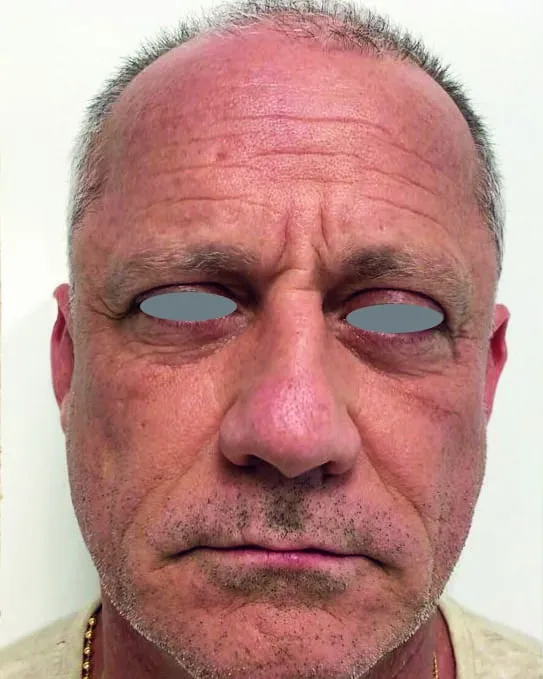
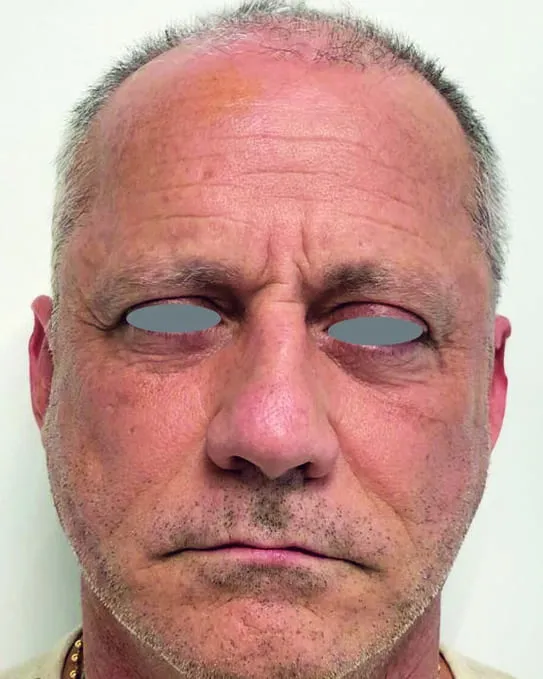
Reddened skin with deep lines set across the forehead, over coarse texture.
Lines that have set relax as the tissue holding them is warmed through.
Why patients choose Fotona 4D
These illustrate common patient sentiment. They are not word-for-word quotes, and individual results vary.
I wanted my lower face firmer without surgery. Dr. Mikki walked me through the pass she does from inside the mouth and why 4D suited my skin before we booked. She was clear that a facelift would do more if I ever wanted it, but that this was the right step for now. Results may vary, but my jawline looks more defined to me.
Four passes in one visit, explained one at a time. No surgery, and I was back at work the same day.

Frequently asked questions
What is a Fotona 4D facelift?
Fotona 4D is a non-surgical facelift protocol performed on the Fotona SP Dynamis. It runs four laser passes in a single visit, including one worked from inside the mouth. Together they warm collagen at different depths and renew the skin surface. Dr. Mikki performs the treatment herself.
How is Fotona 4D different from a surgical facelift?
A surgical facelift repositions and removes tissue under general anesthesia, which is why it remains the option for more advanced laxity. Fotona 4D uses laser energy to build collagen with no incision and little downtime, so it fits mild to moderate laxity. Dr. Mikki will say plainly at consultation when surgery is the honest answer.
What areas does Fotona 4D treat?
Fotona 4D addresses the mid-face, the smile lines, the jawline, and the skin around the mouth and lower face, along with overall tone and texture. Dr. Mikki maps the passes to the areas that fit your goals during your consultation.
Does the pass worked from inside the mouth hurt?
It warms tissue from inside the cheek, and most patients describe the feeling as warm. Most people return to normal activity the same day, with the skin sometimes pink for a short period. Dr. Mikki explains what your recovery will look like before you book.
How many sessions does Fotona 4D take?
A session runs 60 to 90 minutes depending on the skin concerns being treated. You will see some improvement right after a session, and the full effect usually takes three to four sessions spaced 3 to 4 weeks apart. Dr. Mikki sets the count at consultation against your laxity and your goals.
How does Fotona 4D compare to EndoTight or resurfacing?
Dr. Mikki works from a ladder based on how much laxity you have. Fotona 4D and RF Microneedling suit mild to moderate laxity. EndoTight reaches greater laxity through a fiber under the skin, and laser resurfacing targets surface texture instead of a lift. The right rung is confirmed at your consultation.
How long do Fotona 4D results last?
Results can last around 6 to 9 months. Collagen loss continues as a natural part of aging, so follow-up treatments maintain what you have gained. Individual results vary, and Dr. Mikki sets a realistic maintenance rhythm at consultation.
Will my skin peel after a session?
Mild to moderate peeling is normal as the skin renews, and slight irritation, swelling or redness is common and subsides within a few days. For the first 24 hours, do not scratch, touch or rub the treated skin, stay out of the sun, and leave makeup off, because applying it sooner can cause irritation.
Who are the ideal candidates for a Fotona 4D facelift?
Anyone 18 or above with signs of aging, discoloration or lost skin volume can be considered for the treatment. It suits mild to moderate laxity best. Where sagging is advanced, Dr. Mikki will say plainly that a surgical facelift is the more honest answer. Candidacy is confirmed at consultation against your skin and your medical history.
Is a Fotona 4D facelift right for you?
Dr. Mikki looks at the laxity in your mid-face and jawline and tells you what four laser passes can and cannot reach. You leave with a plan and a quote.
4.8★ from 128 verified Google reviews