
Melasma Treatment with the Picolaser in Southlake, TX
Melasma is a chronic pigment condition, so the honest goal is managing it. A Fotona StarWalker Picolaser is used conservatively, in sessions of about 30 minutes.
- Google 4.8★
- Yelp 5.0★
Managing melasma starts with the truth
Melasma is dark, discolored patches caused by an overproduction of melanin, tied to sun, heat and hormones, so it tends to recur and no treatment cures it. The Picolaser can lighten the pigment using picosecond pulses that pass less heat into the skin than older lasers. Because melasma looks like other concerns, Dr. Mikki confirms it is melasma and not sun damage before recommending anything.
What a conservative melasma plan considers
What triggers melasma
Melasma is an overproduction of melanin with more than one cause behind it, and knowing which one is driving yours changes the plan. Dr. Mikki works through these at consultation before any setting is chosen.
Hormonal change
Pregnancy and hormonal birth control are two of the most common triggers, which is why melasma is more prevalent in women.
Sun exposure
UV drives the melanin overproduction that creates the patches, and it is also what brings them back after they fade.
Genetics
A family history makes melasma more likely, and it is one reason two people with the same sun habits do not get the same skin.
Certain medications
Some medicines make skin more reactive to light. Bring your current list to consultation so Dr. Mikki can factor it in.
Heat, not only light
Melasma is heat-sensitive, so hot environments and aggressive treatment can both aggravate it. This is why the approach here is conservative.
What a melasma session looks like
Confirming it is melasma
Dr. Mikki examines the pattern, reviews your triggers and your medical history, and confirms the pigment is melasma rather than sun damage or a post-inflammatory mark. The three look alike in a mirror and are not managed the same way.
Setting a conservative plan
Because melasma is heat-sensitive, the settings are chosen deliberately low rather than at the strongest the device allows. Dr. Mikki will say plainly if laser is not the right step for your skin right now.
The treatment itself
The Fotona StarWalker delivers pigment-targeting laser energy over the treated area. It is a roughly 30-minute procedure, and it can be used on melasma spots elsewhere on the body as well as on the face.
Aftercare and the next session
You go home with written aftercare and a date for the next session. Most plans run about three to four monthly sessions, with deeper or more widespread patches taking four to six.
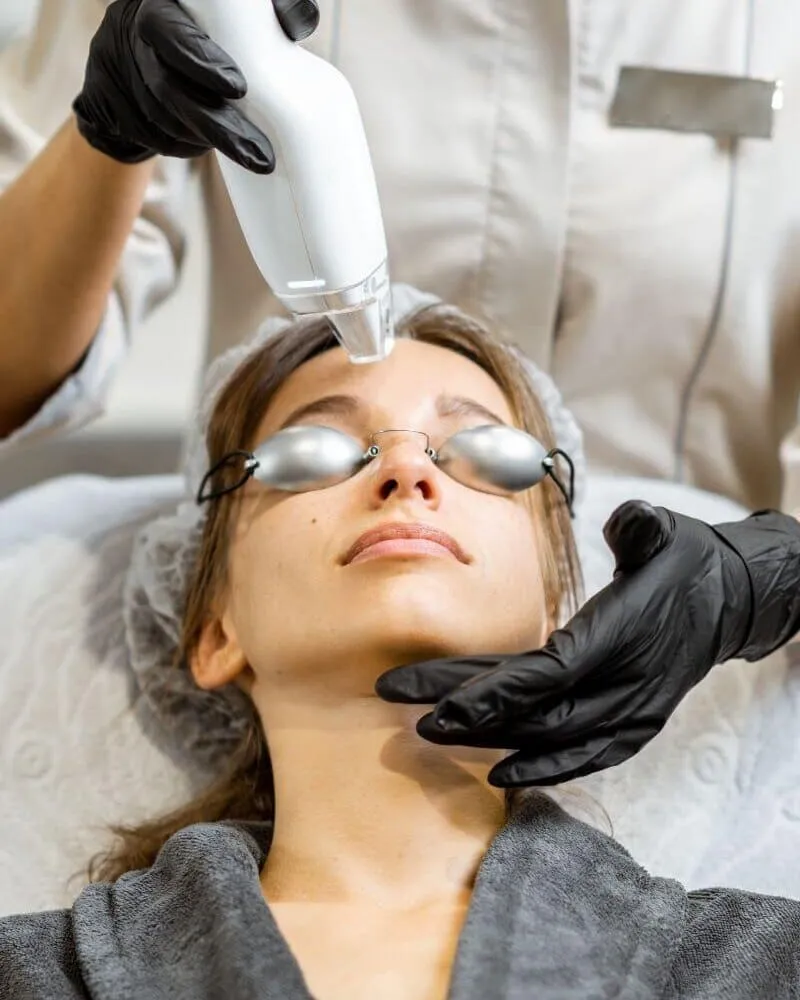
Side effects, and the days after
What you may experience
- Mild swelling at the treated site, which usually settles on its own within a few days.
- A burning sensation in the hours after the session.
- Redness across the treated area, temporary and expected.
- A cold compress on the area can be used to ease the discomfort.
- Melasma can rebound if it is treated too aggressively, which is why the settings stay conservative.
What to avoid afterwards
- Do not touch, scratch or rub the treated area, because the skin needs to heal undisturbed.
- Skip makeup and skincare products that could irritate the area.
- Avoid sun exposure, and use a high-SPF sunscreen Dr. Mikki recommends if you must be out.
- Keep to the session spacing you were given rather than compressing the plan.
- Expect follow-up treatments over time, because pigment can return and maintenance is part of the plan.
What patients tend to notice
These are the changes patients most often report across a course of treatment, not guarantees. Melasma is chronic, individual results vary, and Dr. Mikki sets expectations for your skin before anything is scheduled.
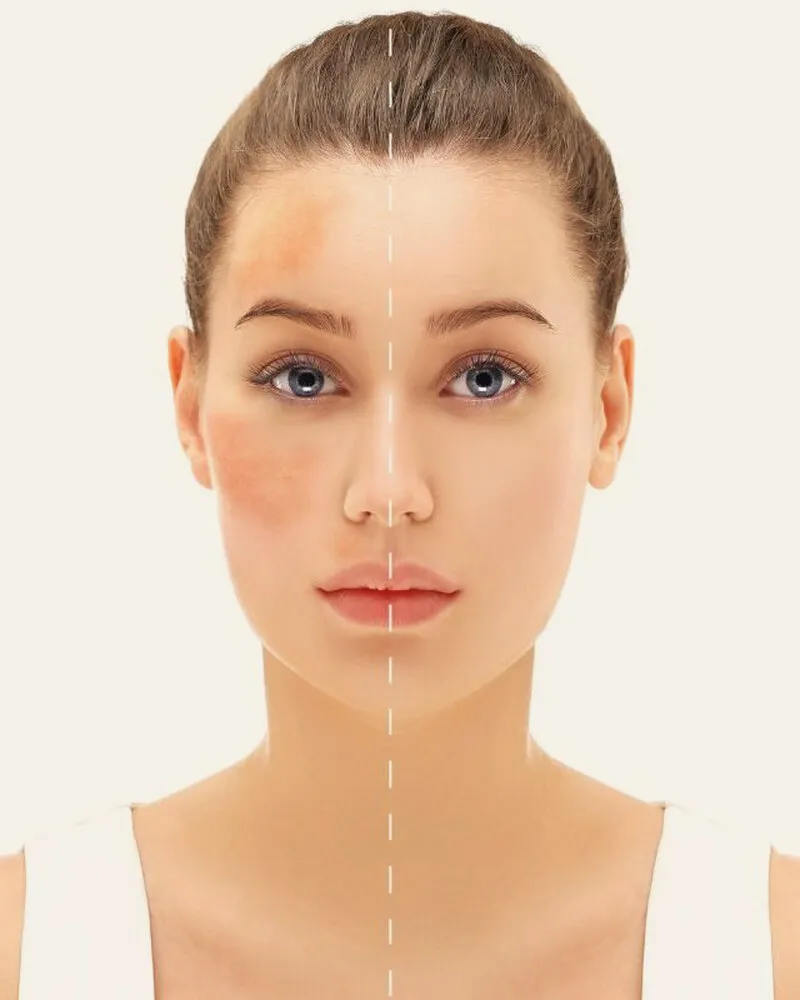
- A reduced appearance of blotchy patches
- Improved skin texture
- Smoother, more youthful-looking skin
- Enhanced skin elasticity
- A brighter, more even complexion
Why melasma calls for caution
Melasma is sensitive to heat, and treatment that is too aggressive can worsen it. Picosecond delivery on the Picolaser transfers less heat than older lasers, which is why it is used for pigment and darker skin tones. Candidacy and settings are confirmed at consultation, and Dr. Mikki will say plainly if laser is not the right step for your skin.
| Feature | Picolaser (Medrein) | Creams Alone | Aggressive Lasers |
|---|---|---|---|
| Less heat transferred to surrounding skin | Included | Included | Not included |
| Framed as ongoing management, not a cure | Included | Included | Varies |
| Pigment confirmed by a physician first | Included | Not included | Varies |
| Paired with sun protection and skincare | Included | Varies | Varies |
Who melasma treatment is for
Dr. Mikki confirms the pattern first and will name a different concern when that is the honest answer: sun spots where the marks are discrete rather than diffuse, or post-inflammatory marks where the pigment followed an injury or a breakout.
A good fit
- Symmetrical brown or gray-brown patches confirmed as melasma by a physician.
- Any skin type or tone, since the StarWalker platform is used across the range.
- Willing to treat this as management over months rather than a single fix.
- Committed to daily sun protection, which is half of any melasma plan.
- Comfortable with a conservative pace, including sessions that are deliberately gentle.
Not the right treatment
- Wanting melasma cured or erased, since no treatment does that and Medrein will not claim it.
- Unwilling to change sun habits, since UV brings the patches back.
- Currently pregnant, where the honest advice is usually to wait and reassess.
- Wanting the strongest possible setting, because with melasma aggressive treatment can make it worse.
Before you book, two things worth knowing
Melasma is managed, not cured. Pigment can return after treatment, from sun exposure above all but also rashes and other skin conditions, so follow-up sessions are part of the plan rather than a sign something went wrong. And cost depends on the area and the number of sessions your skin needs, so get a written quote at consultation. Results may vary.
Before and after
Each pair holds melasma before treatment beside the same view afterwards. Four cases, individual results vary, and melasma is managed rather than cured.
Scroll the row sideways for the rest.
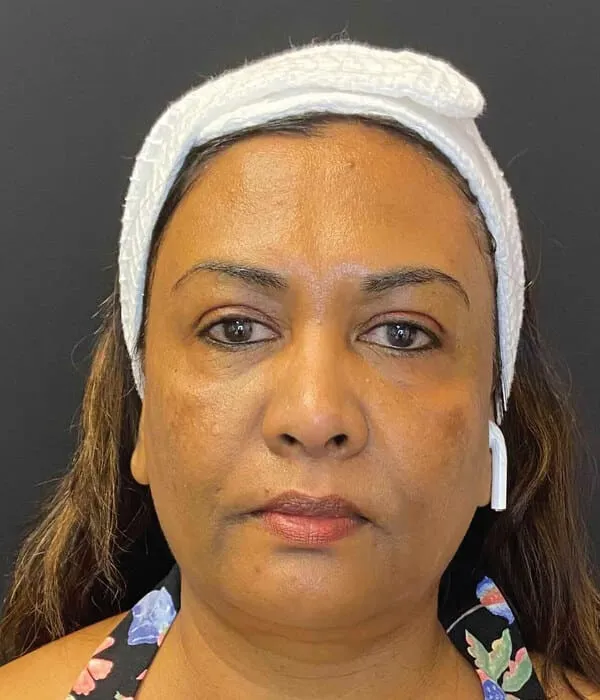
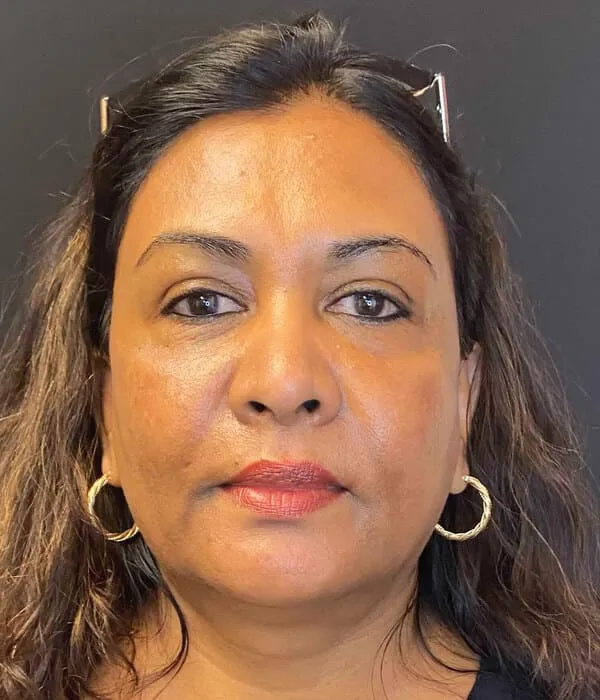
Brown patching set symmetrically across both cheeks, carried up onto the forehead.
Symmetry across both sides is what marks the pattern as melasma.
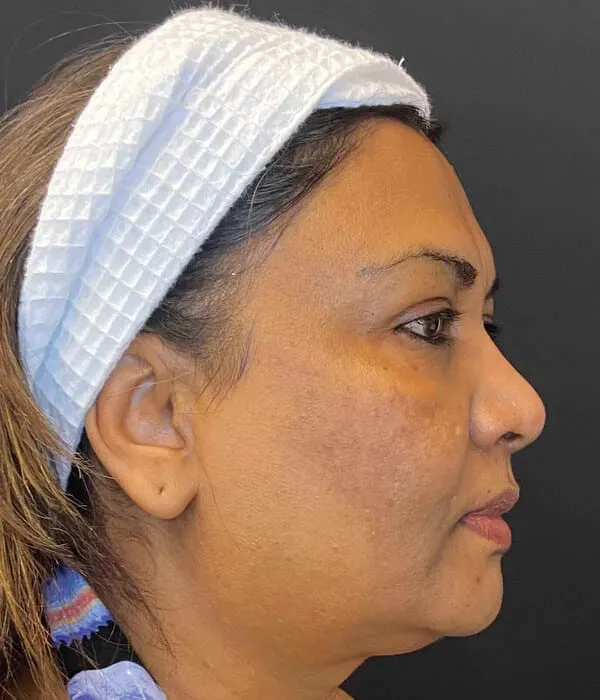
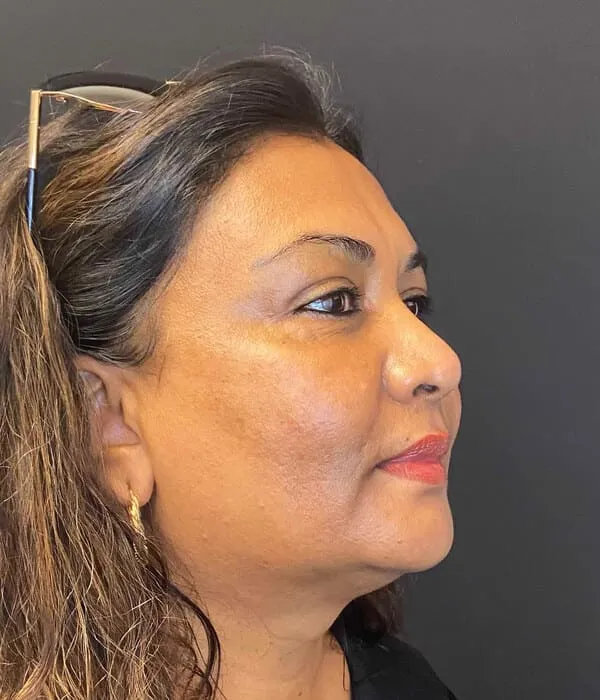
A broad patch over the cheekbone running towards the jaw, its edges fading rather than sharp.
Diffuse edges are what separate melasma from discrete sun spots.
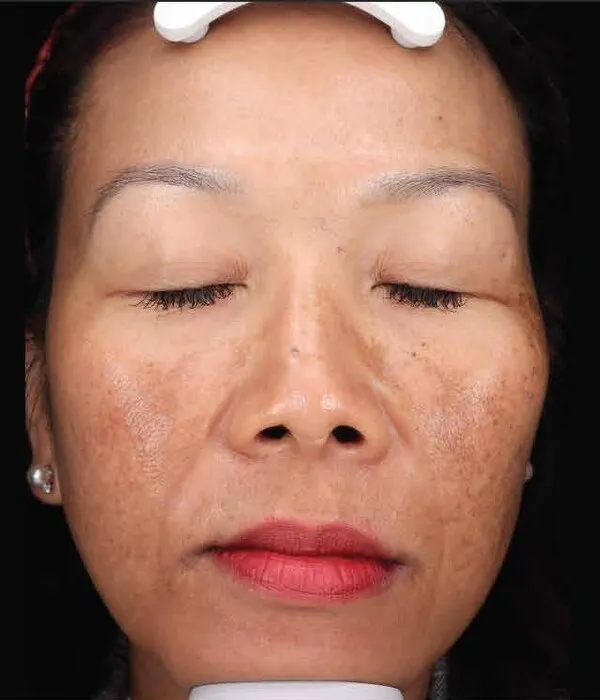
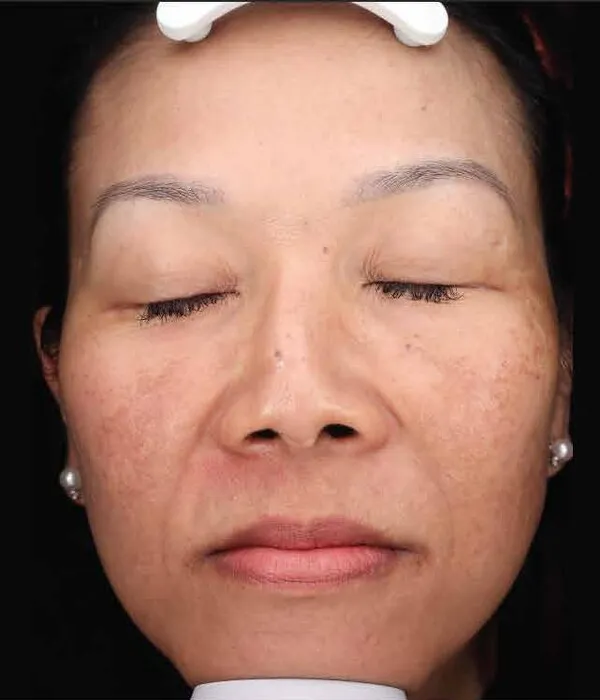
Dense pigment massed across both cheeks and over the bridge of the nose.
Pigment sitting at more than one depth is the harder version to manage.
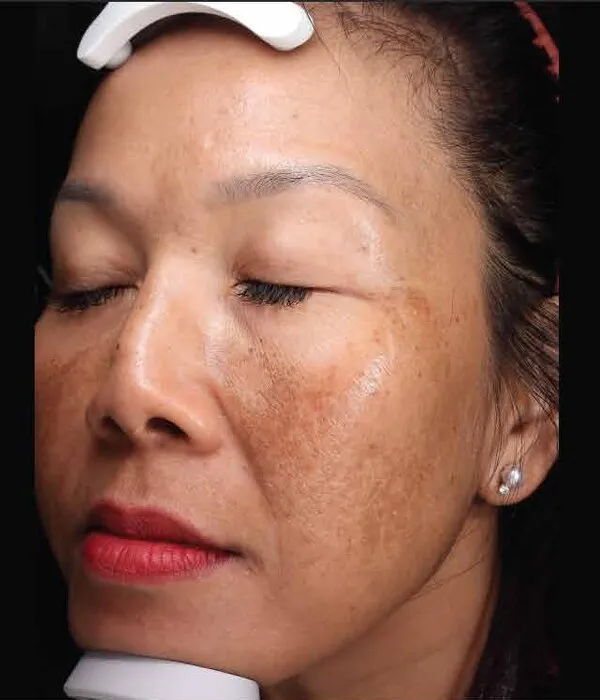
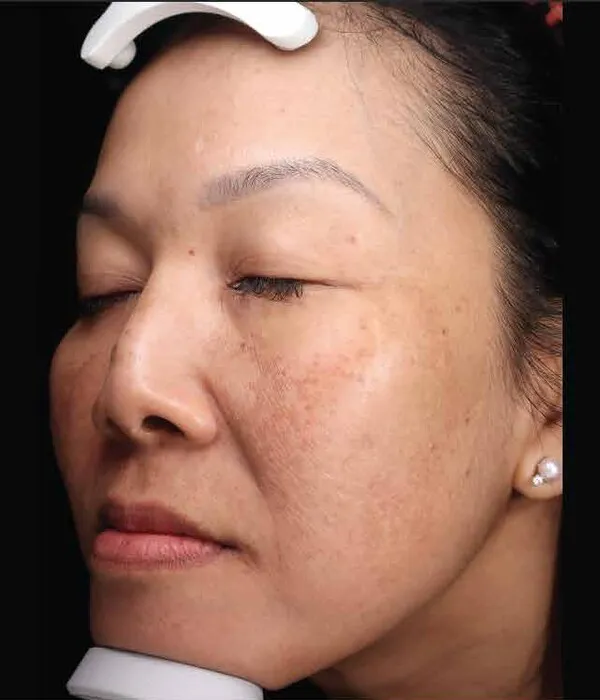
A heavy patch running from the temple across the cheek towards the mouth.
Heat-sensitive pigment is worked at conservative settings, not the strongest.
Related pigment concerns
Why patients choose Medrein for melasma
These reflect common patient sentiment rather than verbatim quotes, and individual results vary.
I had tried creams for years for the patches on my cheeks. What I appreciated at Medrein was that Dr. Mikki did not oversell it. She explained melasma comes back, that sun protection was part of the plan, and that we would go conservatively. I appreciated how careful and straightforward she was about the whole process.
She was clear that melasma is managed, not erased. Being told the truth is why I trusted the plan.

Frequently asked questions
What is melasma, and what causes it?
Melasma is a common skin condition that shows as dark, discolored, usually symmetrical patches, most often on the face, caused by an overproduction of melanin. It is triggered by hormonal changes, sun exposure, genetics and certain medications, and it is more prevalent in women, especially during pregnancy or while using hormonal birth control. Because those triggers persist, melasma is considered a chronic condition that is managed over time.
Can the Picolaser cure melasma?
No. Melasma is chronic and tends to recur, so no treatment cures it and Medrein does not promise that. The realistic goal is to lighten the pigment and manage it over time. Dr. Mikki explains what is achievable for your skin at consultation, and results may vary.
Is laser safe for melasma on darker or brown skin?
Melasma is sensitive to heat, and aggressive treatment can make it worse, so caution matters. Conventional ablative and fractionated lasers are generally not recommended for darker skin because of the risk of post-inflammatory hypo- or hyperpigmentation; treatments on the Fotona StarWalker platform are used across all skin types and tones. Candidacy is still individual, and Dr. Mikki assesses your skin type and history before recommending a laser or a setting.
How is melasma treatment different from treating sun spots?
Sun spots are discrete, well-defined marks that can often be targeted directly. Melasma is diffuse, driven by internal triggers, and prone to rebound, so it calls for a more conservative, managed approach. Dr. Mikki confirms which pattern you have before recommending anything.
How many sessions will melasma treatment take, and how long is each?
The treatment itself is a roughly 30-minute procedure. Some patients notice improvement after the first session, but a meaningful reduction in the patches usually takes about three to four monthly sessions, and depending on the location and depth of the pigmentation you may need four to six. Dr. Mikki sets your plan at consultation and discusses ongoing maintenance honestly rather than presenting one course as permanent.
Are there side effects after laser melasma treatment?
You may experience mild swelling, a burning sensation and redness at the treatment site afterwards. These usually resolve on their own within a few days, and a cold compress on the treated area can help ease the discomfort. Dr. Mikki reviews what to expect for your skin before anything is scheduled.
What should I avoid after a melasma treatment?
Do not touch, scratch or rub the treated area, because the skin needs to heal undisturbed. Avoid makeup or skincare products that could irritate it, and stay out of the sun, applying a high-SPF sunscreen recommended by your physician if you have to be outside. You go home with these instructions in writing rather than a verbal summary.
Can melasma come back after laser treatment?
Yes. Pigmentation can return after treatment, because several things cause it: sun exposure above all, along with infection, rashes and other skin conditions. Depending on your daily skincare and sun habits you may need follow-up treatments to maintain clearer skin. This is why the page describes melasma as managed rather than cured.
How do I book a melasma consultation?
Book a consultation online through our ProspyrMed scheduler, or call (214) 702-5225. Dr. Mikki examines your skin, confirms whether it is melasma, and reviews your triggers and candidacy before any treatment is planned.
Is the Picolaser right for your melasma?
Dr. Mikki confirms whether it is melasma, reviews your triggers, and sets a conservative, realistic plan.
4.8★ from 128 verified Google reviews