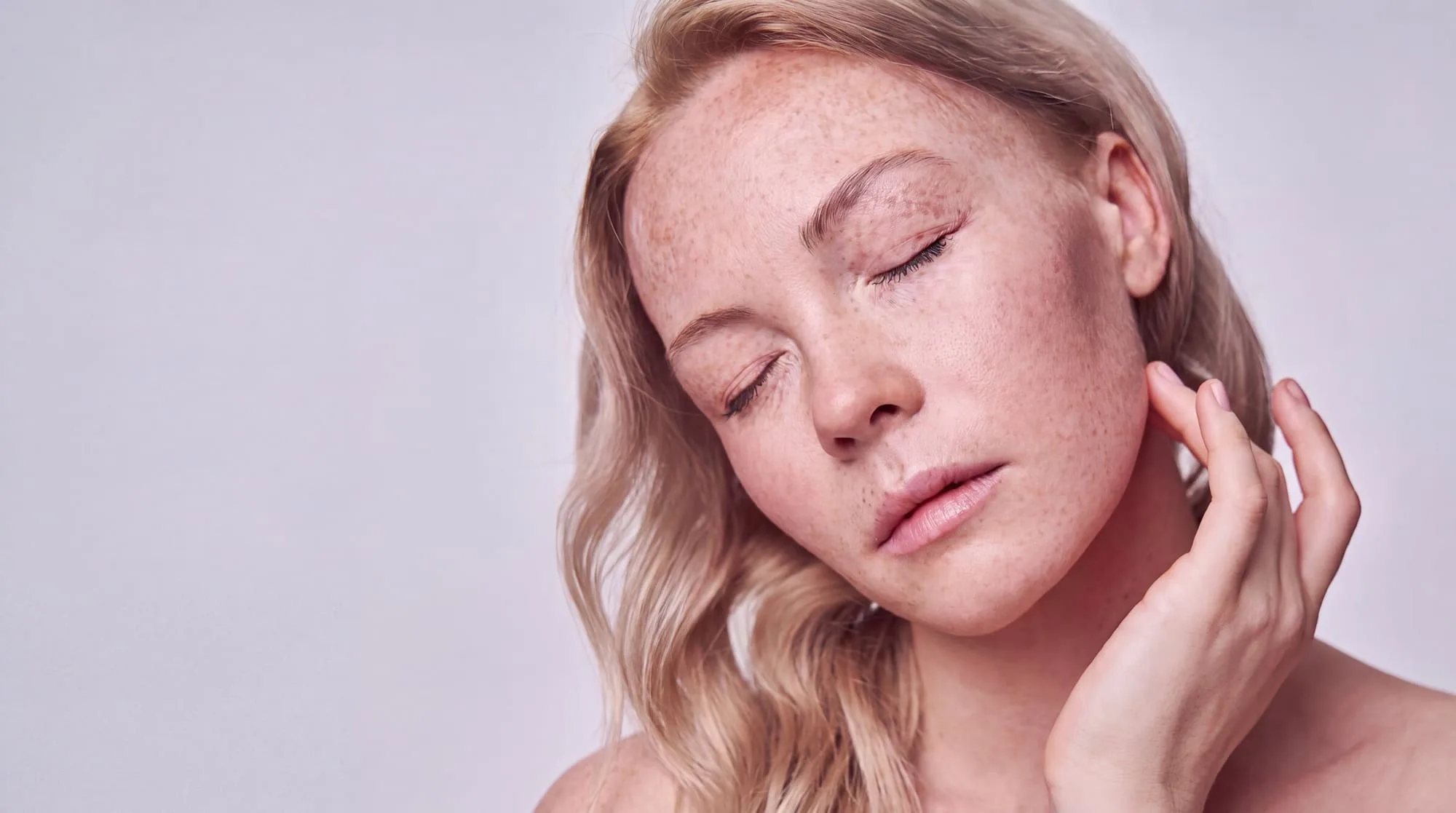
Sun Spots Treatment with the Picolaser in Southlake, TX
Sun spots are defined brown marks from UV exposure, which makes them a natural fit for targeted laser work. Treated on a Fotona StarWalker Picolaser in a course of two to four sessions.
- Google 4.8★
- Yelp 5.0★
Defined spots are the easiest pigment to target
Sun spots have clear edges, so the Picolaser can target them point by point while sparing the skin around them. Medrein treats pigment on Pico and Q-Switch lasers by Fotona StarWalker, and most patients need two to four sessions. When the pigment is a broad haze instead of distinct marks, that is closer to sun damage, and Dr. Mikki decides which approach fits after examining your skin.
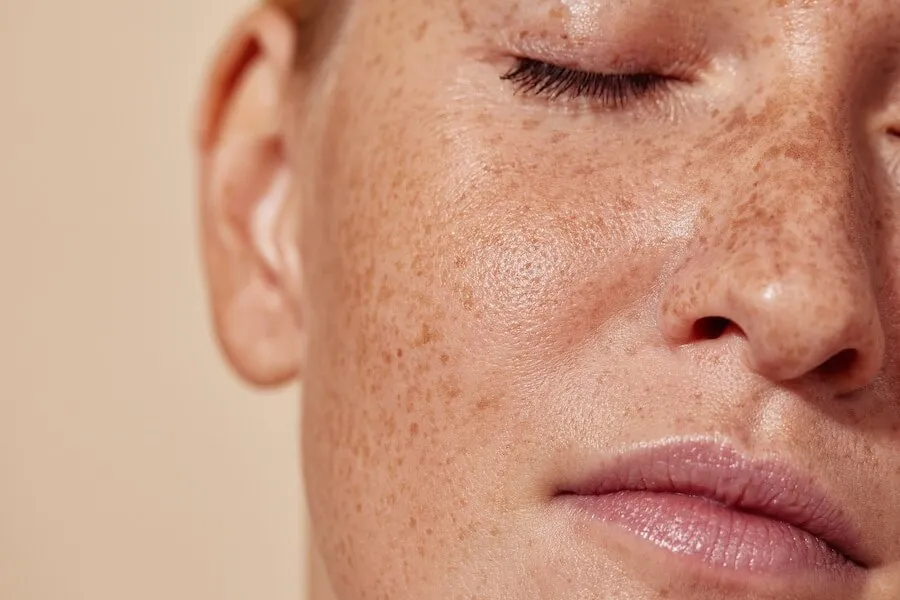
What targeting sun spots involves
The pigment concerns treated on the same platform
Pigment does not arrive in one form, and the name matters because the plan changes with it. Dr. Mikki confirms which of these you actually have before a setting is chosen.

Sun spots and sun damage
Defined marks and mottled tone from cumulative UV, this page’s own concern.
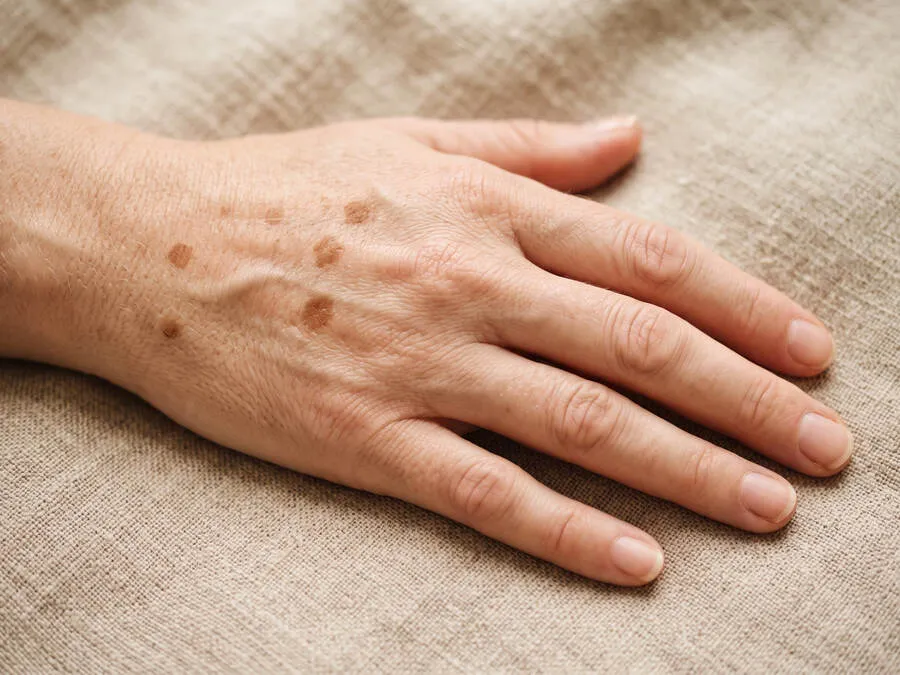
Age spots
Older, settled lentigines, most often on the face, hands and chest.
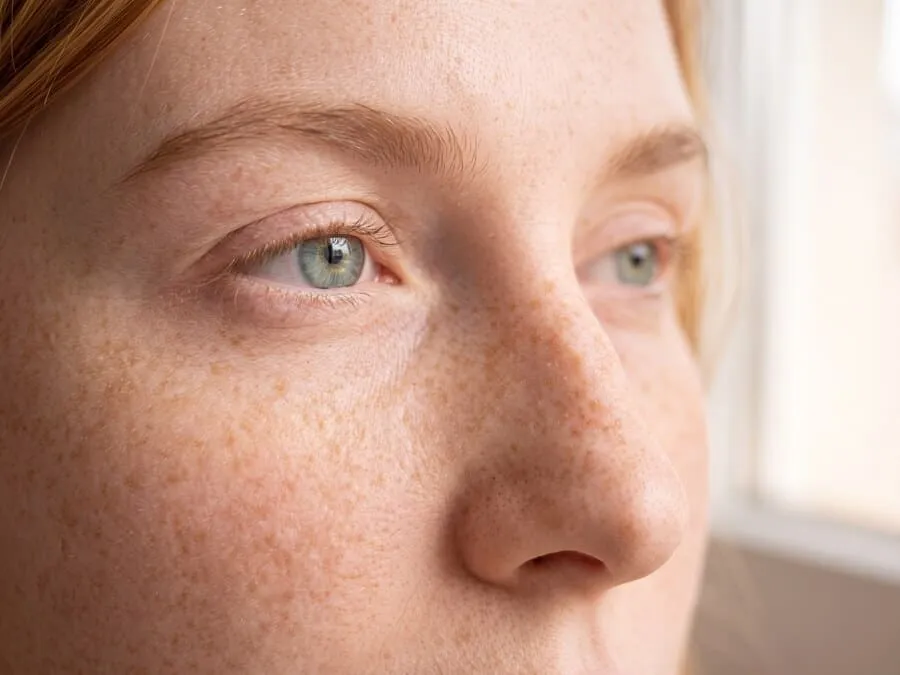
Freckles
Scattered light pigment that darkens with sun and returns with it.
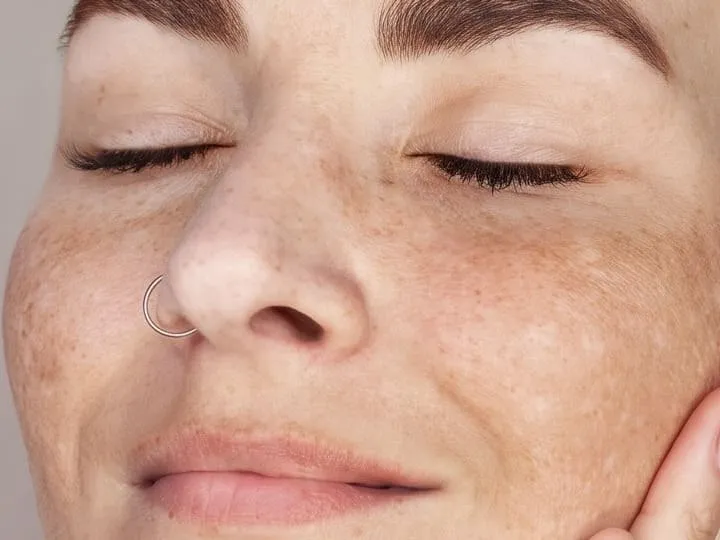
Melasma
Symmetrical, hormone- and heat-driven patches, managed conservatively rather than cured.
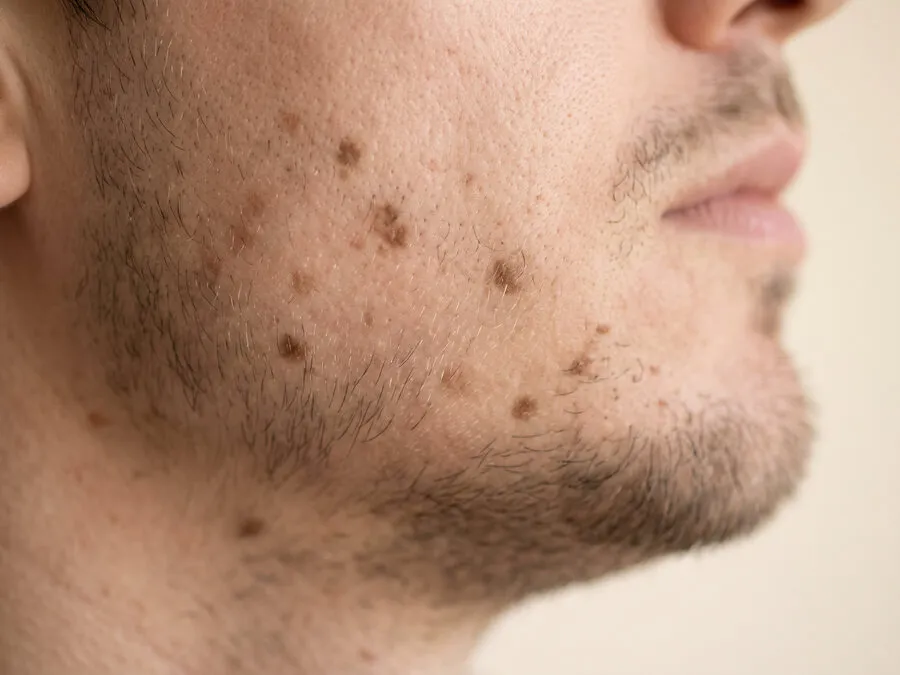
PIH and hyperpigmentation
Pigment left behind after inflammation, including after acne has healed.
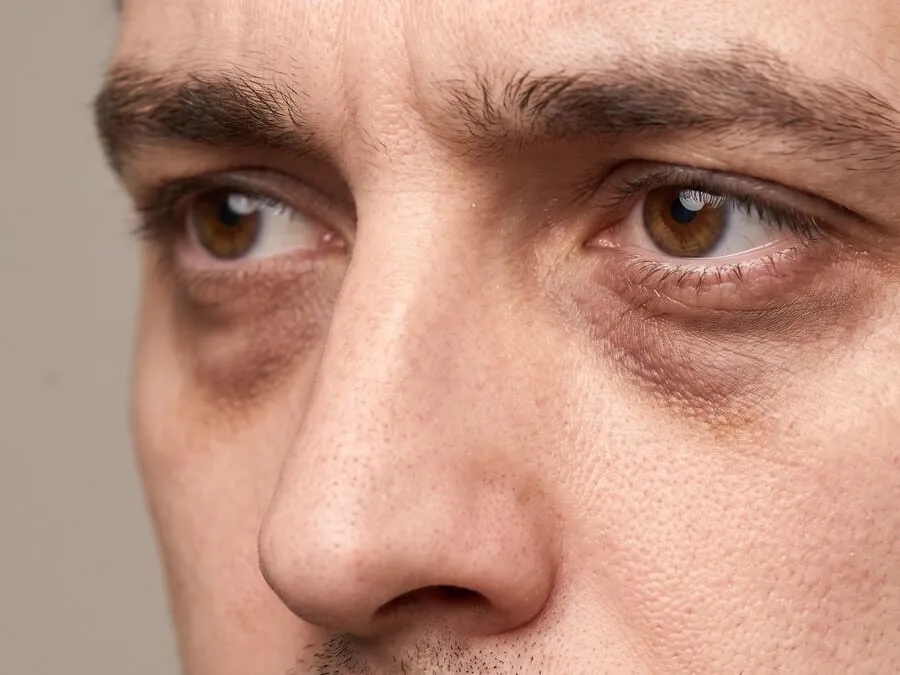
Dark under-eye circles
The “panda eyes” pattern, from genetics, fatigue or thinning skin.
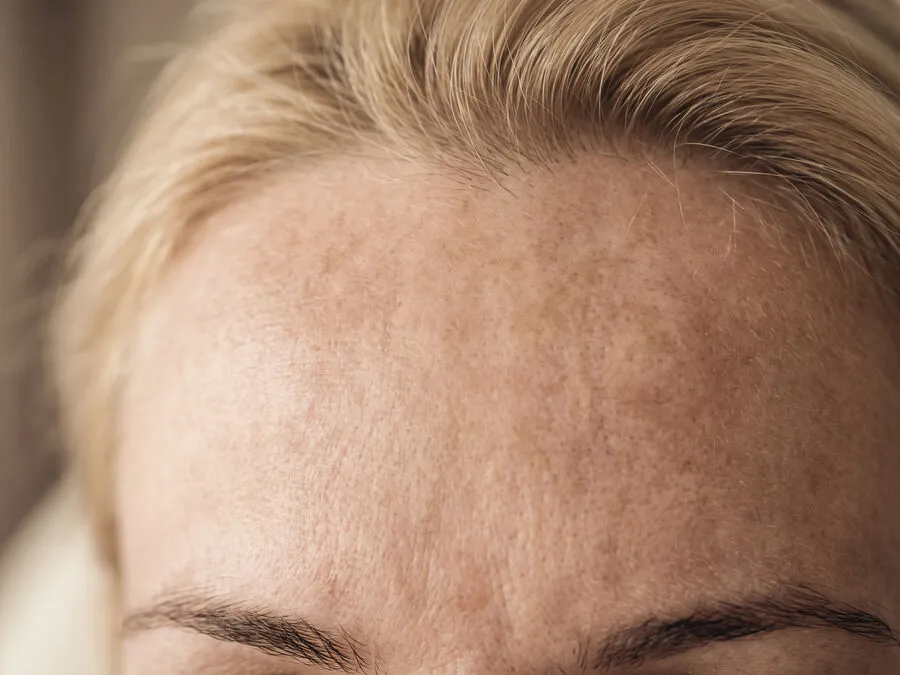
Uneven skin tone
Overall unevenness rather than distinct marks, treated across the whole area.
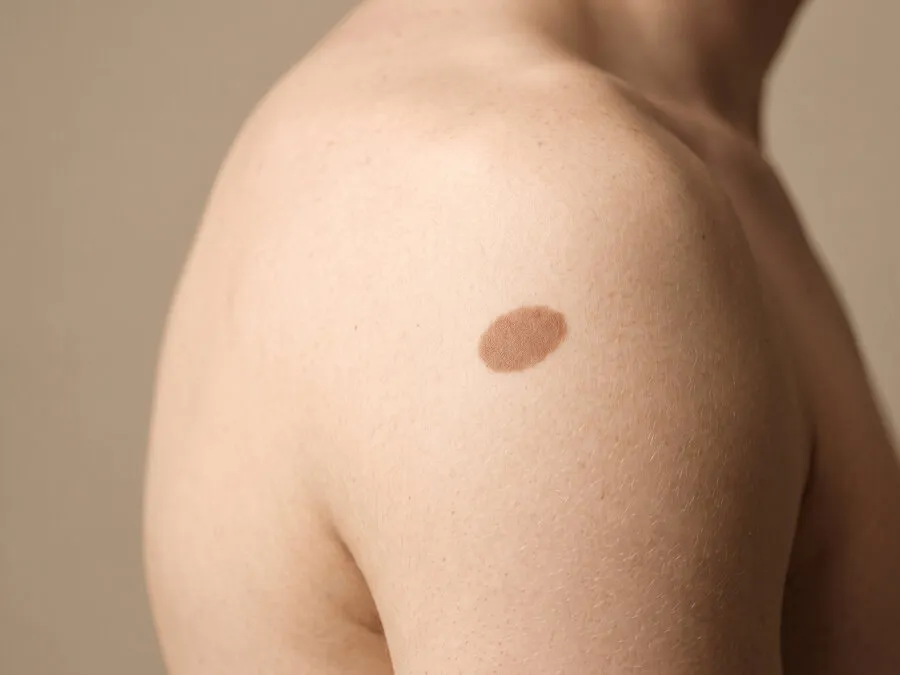
Birthmarks
Assessed individually to determine whether treatment, monitoring, or referral is the best next step.
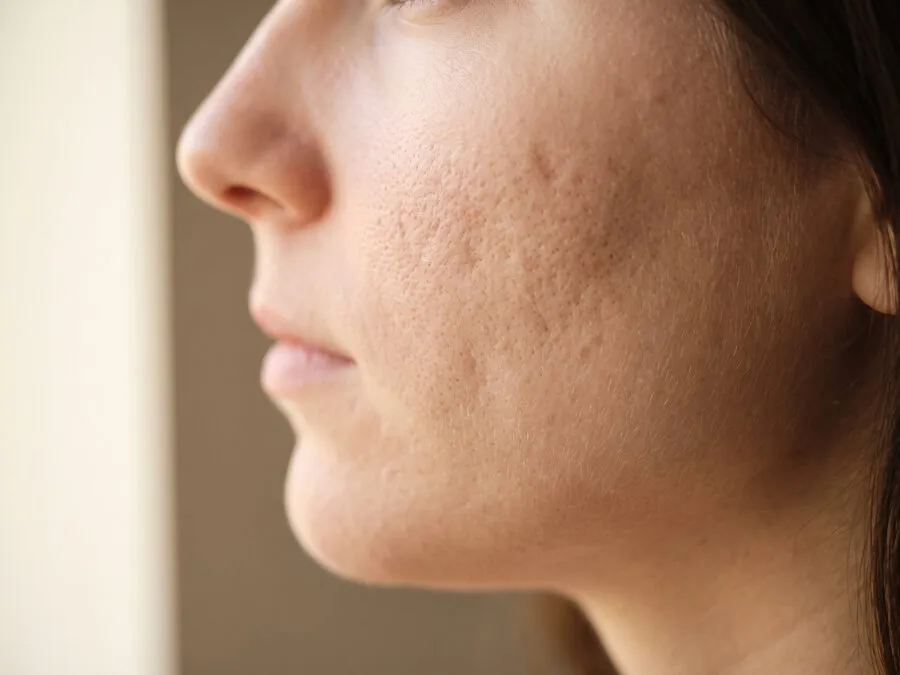
Acne scars
Where the concern is texture as well as colour, a different protocol applies.
What a sun spots session looks like
Every mark examined
Dr. Mikki, a board-certified physician, looks at each spot before anything is scheduled. Anything that needs a dermatologist is referred out rather than treated, and only marks confirmed as benign go further.
Numbing, if you need it
The treatment is non-invasive and most patients feel little discomfort. Sensitive skin can experience a burning or pinching sensation, and a numbing cream or spray is used where that is the case.
The picosecond pass
The Fotona StarWalker delivers energy in picosecond pulses, aimed at each defined spot rather than across the whole field. The pigment fractures so the body can clear it, and less heat reaches the skin around it.
Clearing, and the next session
The treated pigment lifts over the following days as the body clears it. Most patients need two to four sessions, and Dr. Mikki sets the spacing against your skin and how deep the pigment sits.
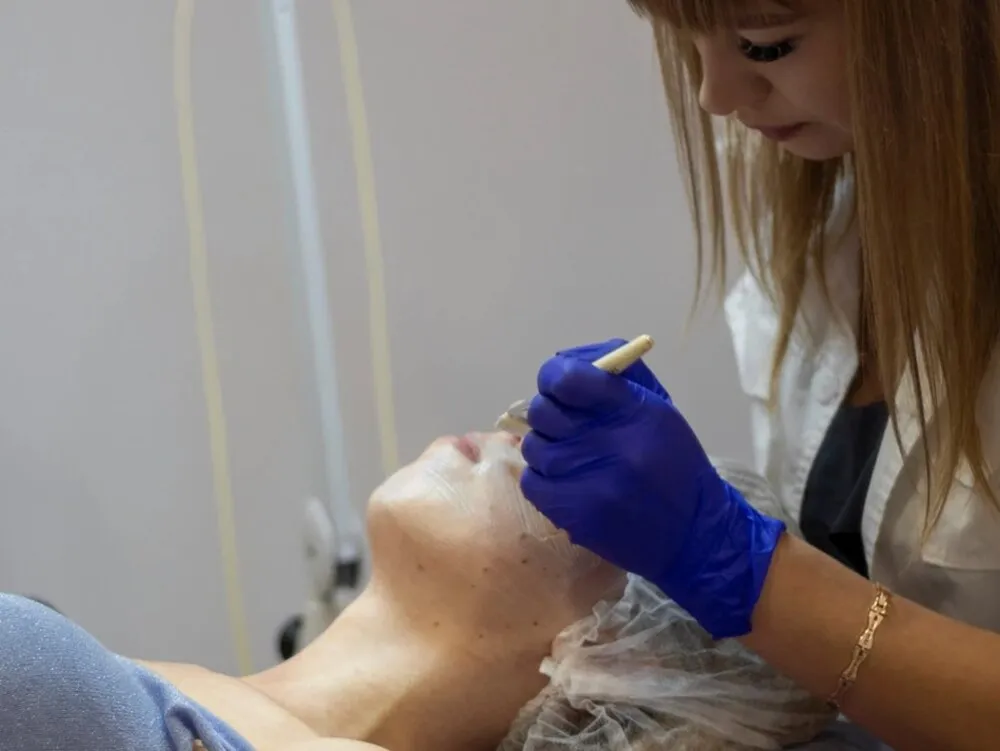
Comfort during, and the days after
What makes it comfortable
- Non-invasive: nothing is cut, and there is no incision to heal.
- Most patients feel little or no pain during the pass.
- A numbing cream or spray is available where the skin is sensitive.
- Delivered point by point, so the skin around each spot takes less energy.
- Performed on a genuine, FDA-cleared Fotona StarWalker platform by a physician.
Possible side effects
- Swelling in the treated area, short-lived and expected.
- Redness across and around the treated spots.
- A burning sensation in the hours after the session.
- These symptoms usually subside within a few days.
- Sun protection afterwards is what stops new spots replacing the treated ones.
The other ways pigment is treated at Medrein
The Picolaser is one option among several, and the right one depends on the severity of the pigment and your skin type. Dr. Mikki assesses both before recommending anything.
Pico and Q-Switch lasers
Picosecond pulses aimed at defined pigment. The approach this page is about.
Laser skin resurfacing
Ablative and non-ablative passes where the concern is texture as well as colour.
Intense pulsed light
Broadband light across a whole area, for widespread sun damage and redness.
Microneedling
Controlled micro-injury that prompts collagen and helps even out tone over time.
Chemical peels
A resurfacing peel for discolored spots, uneven tone and enlarged pores.
Topical products
Hydroquinone, kojic acid and ascorbic acid, prescribed and monitored rather than guessed at.
Glutathione skin lightening
An antioxidant approach to overall tone, discussed at consultation where it fits.
A closer look comes before treatment
A dark spot is not automatically a harmless one. Dr. Mikki examines each mark and refers anything that needs a dermatologist rather than treating it. Only spots confirmed as benign go to the Picolaser, which is the safety step a physician-led clinic can offer that a technician-only spa cannot.
| Feature | Picolaser (Medrein) | Fade Creams | OTC Devices |
|---|---|---|---|
| Each spot examined by a physician first | Included | Not included | Not included |
| Targets defined spots point by point | Included | Not included | Varies |
| Genuine brand-name platform | Included | Not included | Not included |
| Suspicious lesions referred out, not treated | Included | Not included | Not included |
Who sun spots treatment is for
The pattern decides the plan, and Dr. Mikki names it before anything is booked: melasma treatment where the pigment is symmetrical and hormone-driven, or sun damage treatment where the whole area is mottled rather than spotted.
A good fit
- Flat, well-defined brown marks with clear edges rather than a diffuse haze.
- Marks a physician has examined and confirmed are benign.
- Wanting the spots targeted point by point rather than a full-field pass.
- Willing to run two to four sessions, spaced as Dr. Mikki sets them.
- Committed to sun protection, which is what stops new spots forming.
Not the right treatment
- A dark spot that looks suspicious is a dermatology referral, not a laser.
- Diffuse, symmetrical patches, which is melasma and calls for a conservative plan.
- Broad mottled tone across a whole area, closer to sun damage than to distinct spots.
- Recent sun exposure or an active tan in the treatment area.
Before you book, two things worth knowing
Cost depends on the treatment type and the number of sessions you need, and pigment differs in every person, so Dr. Mikki gives you a written quote at consultation rather than a range off a website. And treating today's spots does not stop tomorrow's, because daily sun protection is what keeps new ones from replacing them. Results may vary.
Before and after
Each pair holds sun spots before treatment beside the same view afterwards. Three cases, individual results vary, and defined pigment is what responds best to targeted work.
Scroll the row sideways for the rest.
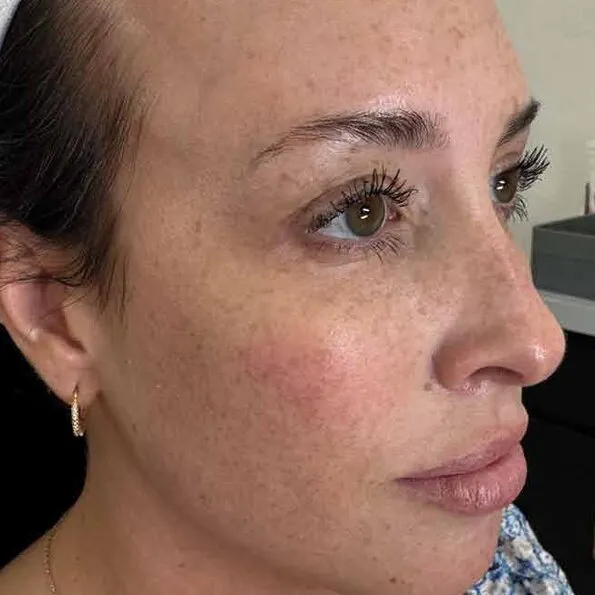
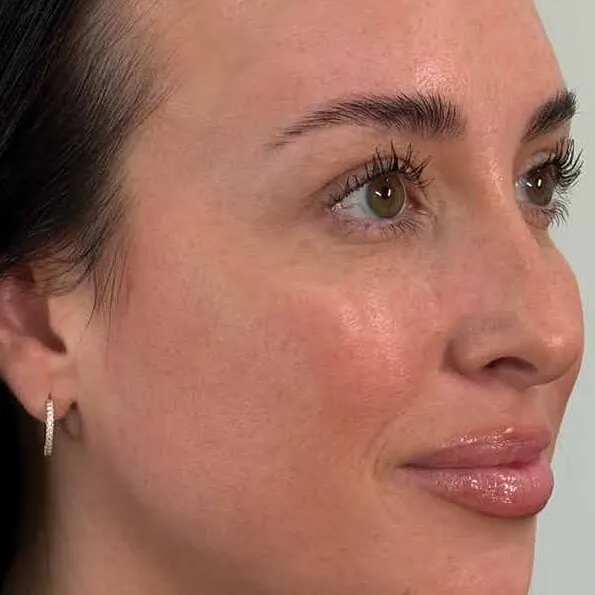
Dense brown freckling scattered across the cheek and temple, over a flushed base.
Scattered spots are treated one at a time, not with a full-field pass.
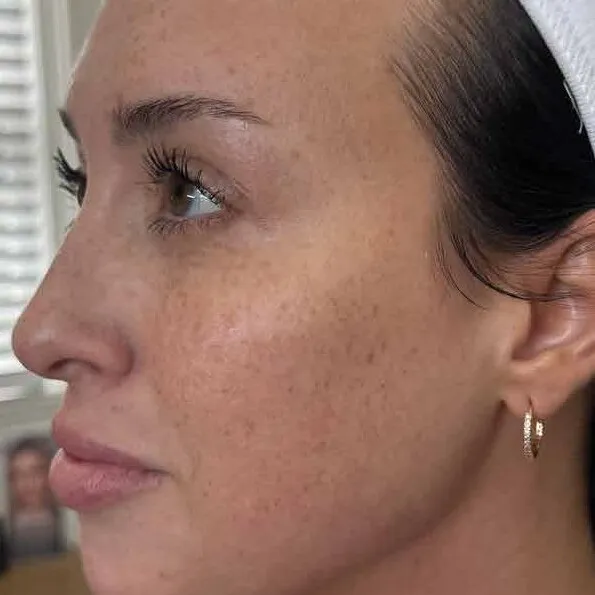
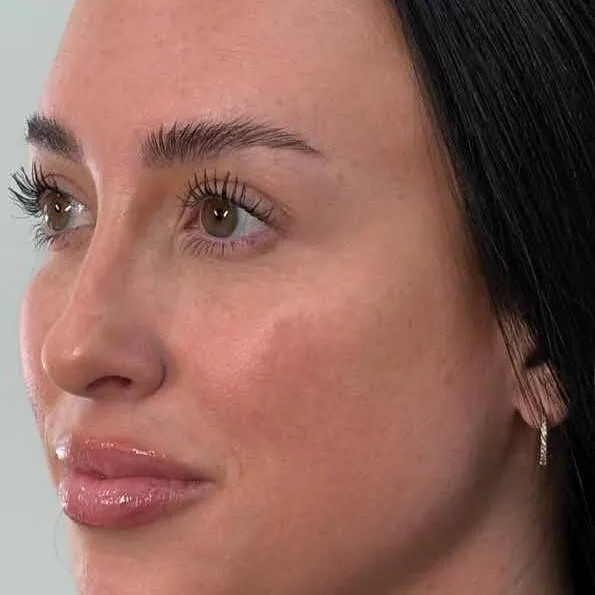
Sun freckling massed over the cheek and running back towards the ear.
Cumulative UV exposure is what settles this scattered pattern in.
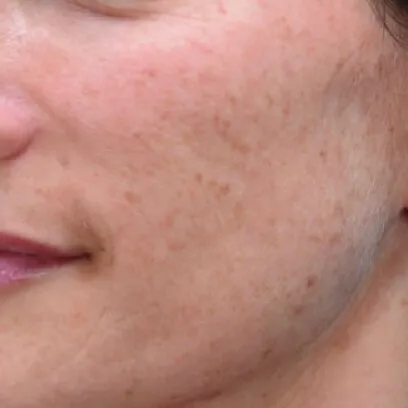
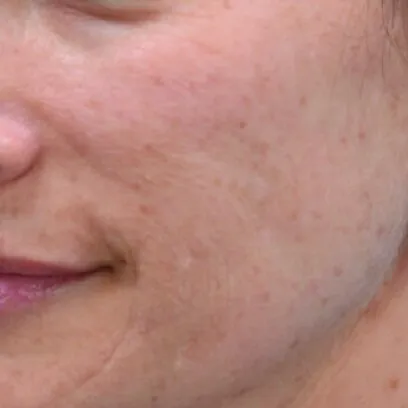
Discrete brown spots scattered over the cheek, each one clearly edged.
A haze rather than distinct marks would point to sun damage instead.
Related pigment concerns
Why patients value a closer look first
These reflect common patient sentiment rather than verbatim quotes, and individual results vary.
I had several brown spots on my hands and one cheek that had bothered me for years. Dr. Mikki looked at each one, explained which were simple sun spots and which she wanted to keep an eye on, and only treated the ones that were appropriate for laser. I appreciated how carefully she evaluated everything first.
The appointment was very thorough. Dr. Mikki answered my questions, set realistic expectations, and made sure I understood the plan before we started.

Frequently asked questions
What are sun spots?
Sun spots, also called solar lentigines or age spots, are flat, well-defined brown marks caused by cumulative UV exposure. They appear most on the face, hands, chest, and shoulders. Because their edges are clear, they are one of the more directly targetable pigment concerns on a Picolaser.
How is a sun spot different from sun damage or melasma?
Sun spots are discrete, defined marks. Sun damage is the broader picture of uneven tone across a whole area, and melasma is diffuse pigment driven by heat and hormones. Dr. Mikki confirms which one you have, since the pattern changes the approach, and treats defined spots directly when that fits.
How does the Picolaser treat sun spots?
Medrein treats pigment on Pico and Q-Switch lasers by Fotona StarWalker. PicoGenesis delivers energy in picosecond pulses that fracture the pigment in the spot so the body can clear it. Delivered point by point, less heat reaches the surrounding skin than a broad pass would, which is one reason the picosecond platform is used across skin tones. Candidacy is confirmed at consultation.
Should a physician check my spots first?
Yes. Not every dark spot is a harmless sun spot, and some pigmented lesions need a dermatologist. Dr. Mikki examines each mark and will refer anything suspicious rather than treat it. Only spots confirmed as benign are treated, and nothing is scheduled before that review.
How many sessions will sun spots take?
Most patients require two to four sessions on the picosecond platform. Well-defined spots often clear in fewer sessions than diffuse pigment, but the number depends on how many spots you have and how deep the pigment sits, and Dr. Mikki sets your plan at consultation. Results may vary, and sun protection afterward helps prevent new spots.
Does treating sun spots hurt?
The treatment is non-invasive and does not usually cause pain or discomfort. Patients with sensitive skin can feel a burning or pinching sensation, and in those cases a numbing cream or spray is used to make the session comfortable. Tell Dr. Mikki at consultation if your skin runs sensitive.
Are there side effects after sun spot treatment?
There can be short-term side effects, including swelling, redness and a burning sensation in the treated area. These symptoms usually subside within a few days. You go home with written aftercare, and Dr. Mikki reviews what to expect for your skin before anything is scheduled.
How much does sun spot treatment cost?
It depends on the treatment type and the number of sessions you need, and pigment differs in every person, so Medrein quotes at consultation rather than publishing a range. Dr. Mikki examines your spots, sets the plan, and gives you a written quote before anything is booked.
How do I book a consultation for sun spots?
Book a consultation online through our ProspyrMed scheduler, or call (214) 702-5225. Dr. Mikki examines your spots, confirms they are benign and treatable, and explains the plan before anything is scheduled.
Ready to have your sun spots examined?
Dr. Mikki checks each spot, confirms it is benign and treatable, and sets your plan before anything is scheduled.
4.8★ from 128 verified Google reviews